
Stainless Steel vs Galvanized Steel: Which Is Better for Corrosion Protection?
Stainless steel vs galvanized steel — compare corrosion resistance, cost, strength, lifespan, and which material you should choose for your project.
Stainless Steel
Alloyed for corrosion resistance — premium protection
Galvanized Steel
Zinc-coated carbon steel — budget corrosion protection
Overview
Stainless steel and galvanized steel both offer corrosion resistance, but they achieve it in fundamentally different ways and at very different price points. Understanding the difference is critical to choosing the right material for your application.
- Stainless steel: Achieves corrosion resistance through alloying elements — primarily chromium — which react with oxygen to form a self-healing passive oxide layer on the surface.
- Galvanized steel: Is carbon steel with a zinc coating applied to the surface. The zinc acts as a sacrificial barrier that corrodes instead of the steel underneath.
Quick summary: Stainless steel is much more corrosion-resistant, lasts longer, and maintains its appearance, but costs 3–5x more. Galvanized steel is affordable and provides good protection in mild environments, but eventually rusts and has a limited lifespan.
Comparison Table
| Property | Stainless Steel (304) | Galvanized Steel (HDG) |
|---|---|---|
| Base material | Iron + chromium + nickel alloy | Carbon steel (Q235B / S235JR) |
| Corrosion protection | Passive oxide layer (self-healing) | Zinc coating (sacrificial) |
| Corrosion resistance | Excellent | Good — Fair (depends on environment) |
| Salt spray resistance | 200+ hours (304) / 1000+ hours (316L) | 48–200 hours (depends on coating thickness) |
| Marine / coastal use | 316L recommended | Generally not recommended |
| Lifespan (outdoor) | 50–100+ years | 10–30 years (highly environment-dependent) |
| Rust eventually? | No (in suitable environment) | Yes — when zinc is consumed |
| Self-healing | Yes — scratches re-passivate | Partially — zinc sacrifices near scratches |
| Appearance | Bright silver metallic, stays shiny | Matte gray / spangle, dulls over time |
| Maintainability | Virtually zero | May need touch-up or re-galvanizing |
| Tensile strength (typical) | 515 MPa (75 ksi) — 304 | 375–500 MPa (54–73 ksi) — Q235B base |
| Formability | Excellent | Good |
| Weldability | Excellent | Fair — zinc fumes are a hazard |
| Food safe | Yes (FDA approved) | Generally not for direct food contact |
| Recyclable | 100% | 100% |
| Cost (per ton) | High (~3–5x galvanized) | Low (baseline) |
| Cost (life cycle) | Lower (lasts much longer) | Higher (replacement / maintenance) |
| Availability | Good | Excellent |
| Magnetic | No (austenitic grades) | Yes |
Stainless Steel — In Detail
Stainless steel is an alloy of iron, chromium (minimum 10.5%), and often nickel, molybdenum, and other elements. The chromium in the steel reacts with oxygen in the air to form an extremely thin, invisible passive oxide layer (chromium oxide) on the surface.
If the surface is scratched, the exposed chromium immediately reacts with oxygen to re-form the protective layer — this is what makes stainless steel “stainless” and self-healing.
Key Advantages of Stainless Steel
- Superior corrosion resistance: Lasts decades in most environments
- Self-healing: Scratches don’t lead to rust
- Maintains appearance: Stays shiny and clean-looking
- Hygienic: Smooth, non-porous, easy to clean
- High temperature resistance: Works at high temperatures
- Zero maintenance: No painting, no touch-ups
- Wide range of grades: From 201 (budget) to 904L (super-premium)
Limitations of Stainless Steel
- Significantly higher cost: 3–5x the price of galvanized steel
- Not completely rust-proof: Can stain or corrode in extreme environments (chlorides, acids)
- More difficult to machine: Gummed-up chips can be a problem
- Not as strong as high-strength carbon steel: Lower yield strength than many carbon steels
Common Applications of Stainless Steel
- Food and beverage processing equipment
- Kitchen appliances and fixtures
- Medical and pharmaceutical equipment
- Chemical processing equipment
- Marine and coastal structures
- Architectural trim and handrails
- High-quality outdoor furniture
- Sanitary piping and fittings
Galvanized Steel — In Detail
Galvanized steel is carbon steel that has been coated with a layer of zinc to protect it from corrosion. The most common method is Hot-Dip Galvanizing (HDG), where steel parts are dipped into a bath of molten zinc at about 450°C (840°F).
The zinc provides protection in two ways:
- Barrier protection: The zinc coating physically separates the steel from the environment
- Cathodic (sacrificial) protection: If the coating is scratched, the zinc corrodes sacrificially, protecting the exposed steel
Key Advantages of Galvanized Steel
- Much lower cost than stainless steel
- Good corrosion protection for mild environments
- Predictable lifespan: Can estimate service life based on coating thickness
- Easy to inspect: Coating thickness can be easily measured
- Tough coating: The zinc-iron alloy layers are hard and abrasion-resistant
- Fast processing: Hot-dip galvanizing is a quick, well-established process
- 100% coverage: Even inside pipes and complex shapes (if properly vented)
Limitations of Galvanized Steel
- Will eventually rust: When the zinc is consumed, the steel rusts
- Limited lifespan: 10–30 years depending on environment
- Appearance: Dull gray, often with spangle pattern; not “pretty”
- White rust: Can form a white powdery corrosion product if stored wet
- Welding hazards: Zinc fumes from welding are toxic and require ventilation
- Not food safe: Zinc can leach into food or water (especially acidic)
- Coating thickness variation: Can cause issues with threaded connections
Common Applications of Galvanized Steel
- Fencing, gates, and guardrails
- Utility poles and transmission towers
- Roofing and wall panels
- Steel framing and studs
- Scaffolding and temporary structures
- Drainage pipes and culverts
- Agricultural equipment and structures
- Wire and wire mesh
Which One Should You Choose?
Choose Stainless Steel If:
- Long lifespan is required (20+ years)
- Corrosive environment (coastal, chemical, food processing)
- Hygiene / food contact is required
- Appearance matters (stays clean and shiny)
- Zero maintenance is desired
- High-temperature or chemical exposure
- The project is premium / high-end
- Life-cycle cost analysis favors stainless
Choose Galvanized Steel If:
- Budget is the primary concern
- Mild rural or suburban environment
- Structure is temporary or has a 10–20 year design life
- Easy to replace components
- Structural applications where appearance doesn’t matter
- Large volume and cost optimization is critical
- Indoor or sheltered outdoor use
Lifespan by Environment
| Environment | Galvanized Steel | 304 Stainless Steel | 316L Stainless Steel |
|---|---|---|---|
| Indoor / controlled | 30+ years | 100+ years | 100+ years |
| Rural / inland | 25–30 years | 50–100+ years | 100+ years |
| Urban / industrial | 15–25 years | 30–70 years | 70+ years |
| Coastal (1–5km) | 5–10 years | 15–30 years | 40+ years |
| Marine (near saltwater) | 2–5 years | 5–15 years | 20–40 years |
| Chemical / acidic | 1–3 years | 5–20 years (depends on grade) | 10–30+ years (depends on chemical) |
Life-Cycle Cost Analysis
While stainless steel costs more upfront, it often has a lower total cost of ownership over the full life of a project when you factor in:
- Replacement costs for galvanized steel
- Maintenance and repainting
- Downtime for repairs
- Safety risks from corroded structures
For projects with a 20+ year design life, stainless steel is often more economical in the long run, especially in corrosive environments.
FAQ
Is galvanized steel stainless steel?
No, galvanized steel is NOT stainless steel. Galvanized steel is regular carbon steel with a zinc coating. Stainless steel is a different alloy entirely, with chromium and other elements that make it corrosion-resistant throughout the material.
Which is cheaper, stainless steel or galvanized?
Galvanized steel is much cheaper — typically 3–5 times less expensive per ton than 304 stainless steel. However, when you consider the much longer lifespan of stainless steel, the life-cycle cost can be lower.
Can galvanized steel rust?
Yes, galvanized steel will eventually rust. The zinc coating protects the steel by corroding sacrificially, but once the zinc is consumed (which can take 10–30 years depending on environment), the underlying steel will rust.
Which is stronger, stainless steel or galvanized steel?
It depends on the specific grades, but they are generally comparable in strength. 304 stainless steel has a tensile strength of ~515 MPa, while galvanized Q235B has a tensile strength of 375–500 MPa. The base steel in galvanized products can be any grade, so galvanized steel can actually be stronger if made with a high-strength grade.
Can I replace galvanized with stainless steel?
Yes, in most cases. Stainless steel pipe or fittings can replace galvanized steel components. Just be aware that stainless steel is more expensive but will last much longer. It’s also not magnetic, which may matter for certain applications.
Is galvanized steel food safe?
Generally no, galvanized steel is not recommended for direct food contact, especially with acidic foods or beverages. The zinc coating can leach into food, and the surface is not as easy to clean and sanitize as stainless steel. 304 or 316L stainless steel is the standard for food-grade applications.
Compare & Shop These Products
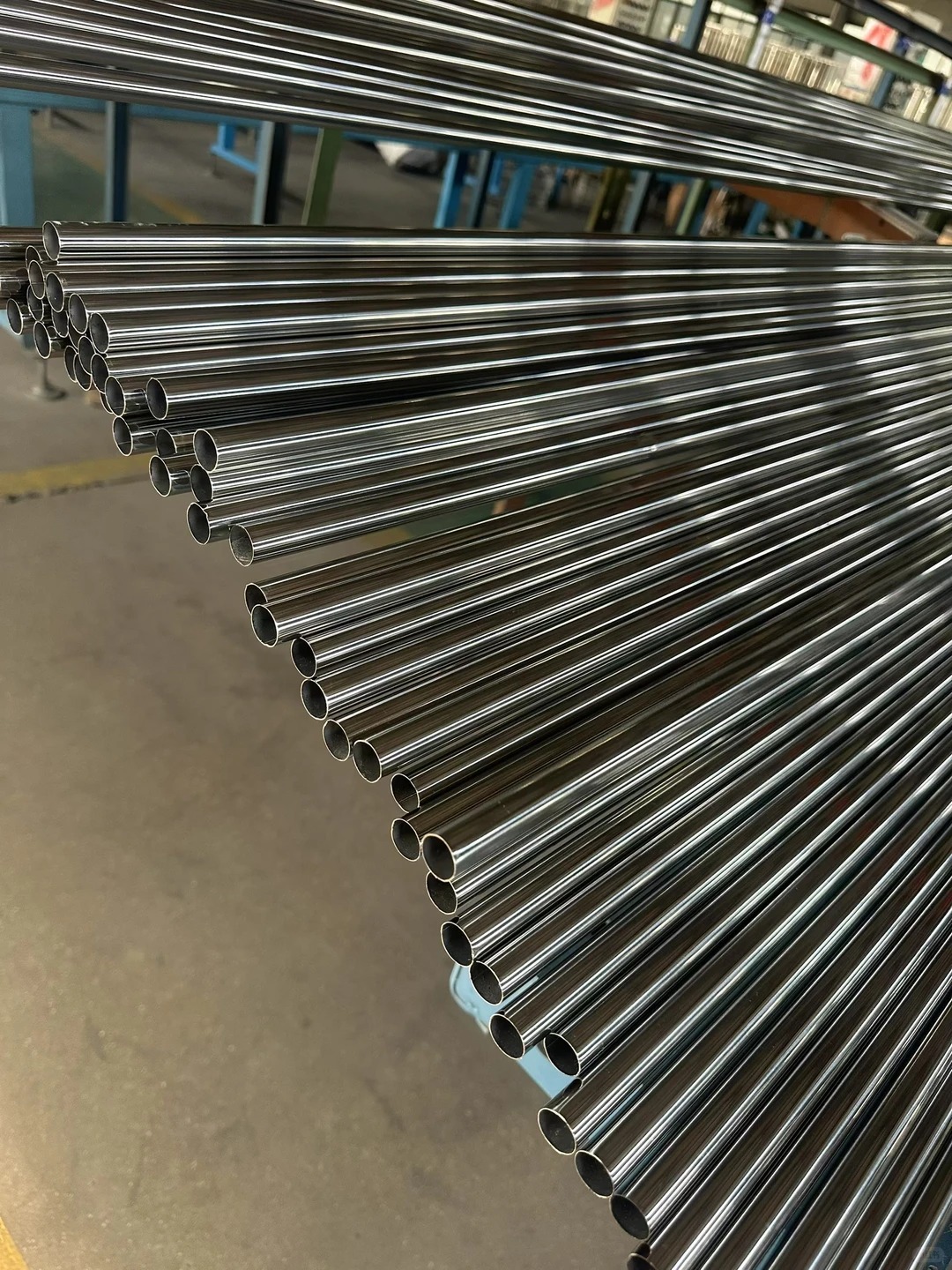
201 Stainless Steel Pipe / Tube — Manufacturer, Price, Specifications
Grade 201View Details →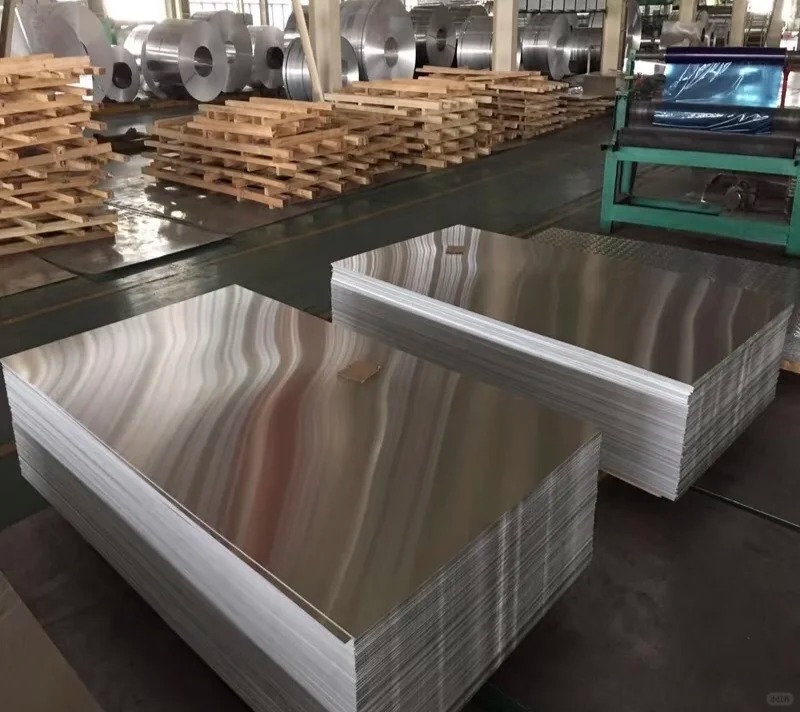
201 Stainless Steel Sheet / Plate — Manufacturer, Price, Specifications
Grade 201View Details →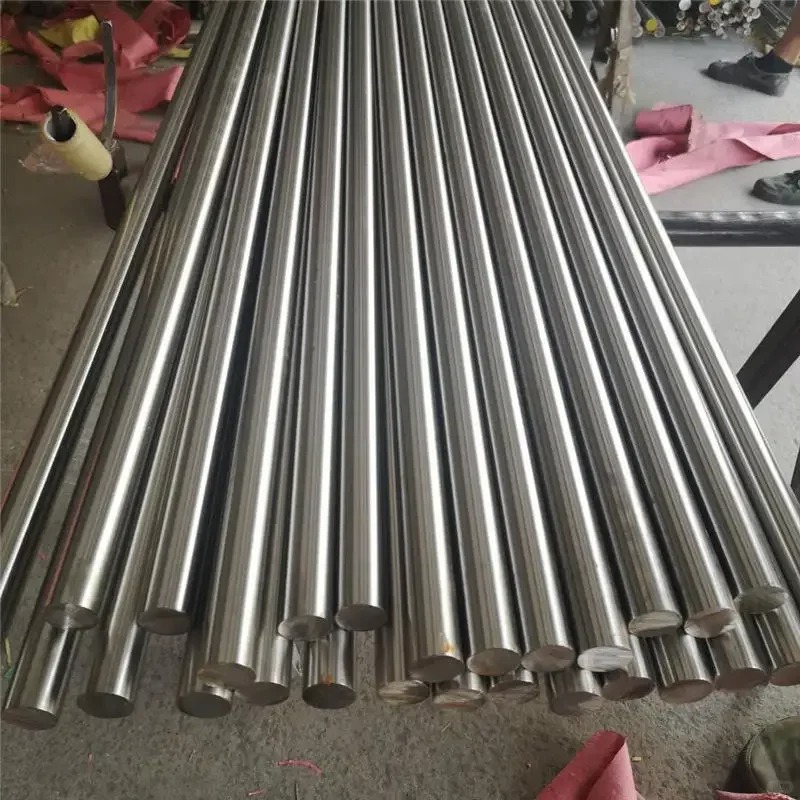
304 Stainless Steel Bar / Rod — Manufacturer, Price, Specifications
Grade 304View Details →304 Stainless Steel Pipe / Tube — Manufacturer, Price, Specifications
Grade 304View Details →Still Not Sure Which Material to Choose?
Send us your project specifications — our engineers will help you select the right steel grade at the best price.