
316 vs 316L Stainless Steel: What Does the 'L' Mean?
316 vs 316L stainless steel — understand the low carbon difference, why it matters for welding, and which grade you should specify.
316 Stainless Steel
Standard molybdenum-alloyed stainless steel
316L Stainless Steel
Low-carbon version with better weldability
Overview
The difference between 316 and 316L stainless steel is one of the most commonly misunderstood topics in materials selection. The “L” in 316L stands for “Low Carbon”, and it has a surprisingly significant impact on performance — especially for welded components.
Quick summary: 316L has lower carbon content (≤0.03% vs ≤0.08%) than standard 316. This prevents a problem called intergranular corrosion (or “sensitization”) after welding. For most modern applications, 316L is the recommended choice and has largely replaced standard 316 in the market.
Comparison Table
| Property | 316 Stainless Steel | 316L Stainless Steel |
|---|---|---|
| Grade Type | Austenitic | Austenitic (Low Carbon) |
| Carbon (max) | 0.08% | 0.03% |
| Chromium | 16–18.5% | 16–18.5% |
| Nickel | 10–14% | 10–14% |
| Molybdenum | 2–3% | 2–3% |
| Tensile Strength (min) | 515 MPa (75 ksi) | 485 MPa (70 ksi) |
| Yield Strength (min) | 205 MPa (30 ksi) | 170 MPa (25 ksi) |
| Elongation | 40% | 40% |
| Hardness (HRB max) | 95 | 95 |
| Corrosion Resistance (general) | Excellent | Excellent (same base level) |
| Post-weld Corrosion Resistance | Poor (susceptible to intergranular corrosion) | Excellent (no sensitization) |
| Weldability | Good (may need post-weld annealing) | Excellent (no post-weld treatment needed) |
| Formability | Excellent | Excellent |
| Heat Resistance | Good | Good |
| Cost | Slightly lower | Slightly higher (~5–10% premium) |
| Availability | Less common now | Most widely available |
What Does “L” Mean in 316L?
The “L” stands for Low Carbon. Specifically:
- 316: max 0.08% carbon
- 316L: max 0.03% carbon
At first glance, 0.05% difference in carbon seems tiny, but it has a major effect on how the steel behaves after welding.
The Welding Problem: Sensitization
When standard 316 stainless steel is welded, the area next to the weld (called the heat-affected zone or HAZ) gets heated to temperatures between 425–870°C (800–1600°F). At these temperatures:
- Carbon in the steel diffuses to the grain boundaries
- It reacts with chromium to form chromium carbides (Cr₂₃C₆)
- This depletes chromium from the areas around the grain boundaries
- Without enough chromium, the steel loses its corrosion resistance in those areas
- The result is intergranular corrosion — also called “weld decay”
This process is called sensitization.
How 316L Solves This
With only 0.03% max carbon, there simply isn’t enough carbon available to form significant chromium carbides during welding. The steel stays corrosion-resistant throughout the heat-affected zone, even without any post-weld heat treatment.
Can Standard 316 Still Be Used?
Yes, if you anneal the part after welding:
- Heat to 1050–1150°C (1920–2100°F)
- Hold at temperature
- Quench rapidly (cool quickly)
This dissolves the chromium carbides back into solution and restores corrosion resistance. But this process adds cost, time, and may not be practical for large or complex parts.
316 Stainless Steel — In Detail
Standard 316 is the original molybdenum-bearing austenitic stainless steel. It was developed in the 1930s and has been a workhorse of industry ever since.
Best Applications for Standard 316
- Components that are not welded
- Parts that will be annealed after fabrication
- Applications where maximum strength is required
- Bar stock for machining (where welding isn’t involved)
Limitations of Standard 316
- Susceptible to weld decay if not post-annealed
- Less commonly stocked by suppliers now
- Often requires lead time for special orders
316L Stainless Steel — In Detail
316L has become the de facto standard 316-grade in most supply chains. Its superior weldability and equivalent corrosion resistance in the annealed condition make it the default choice for most applications.
Best Applications for 316L
- Welded structures and piping
- Food and pharmaceutical processing equipment
- Marine and coastal environments
- Chemical processing equipment
- Architectural components with welded joints
- Medical devices and implants
- Any application where post-weld annealing is impractical
Limitations of 316L
- Slightly lower strength than standard 316
- Small cost premium over standard 316
Which One Should You Choose?
Choose 316L If (RECOMMENDED for 90%+ of applications):
- Your part will be welded
- You want maximum corrosion resistance after fabrication
- You want to avoid post-weld annealing costs
- You need readily available stock sizes
- The project involves piping, tanks, or structural fabrication
Choose Standard 316 Only If:
- You need the slightly higher strength and no welding is involved
- The part will be fully annealed after all fabrication
- You have a specific requirement that calls for standard 316
Practical Advice
In most cases, just specify 316L. Here’s why:
- Availability: 316L is much more widely stocked
- Flexibility: Even if you don’t weld now, you might later
- Cost difference: Usually only 5–10% premium, often less
- Risk reduction: No risk of sensitization-related failures
- Quality assurance: 316L is the modern, higher-quality standard
Most suppliers now stock 316L as their default 316-grade product, and many don’t even stock standard 316 in common forms like sheet and pipe.
FAQ
Is 316L stronger than 316?
No, standard 316 is slightly stronger than 316L. The lower carbon content in 316L reduces tensile and yield strength by about 6%. For most applications, this difference is negligible.
Can 316L be welded to 316?
Yes, 316 and 316L can be welded together. Use 316L filler wire for the best corrosion resistance in the weld.
Is 316L food safe?
Yes, both 316 and 316L are food safe and meet FDA food contact standards. 316L is actually preferred for food processing equipment because welded joints maintain their corrosion resistance.
Which is cheaper, 316 or 316L?
Standard 316 is typically slightly cheaper than 316L (by about 5–10%), but the price difference is often small. When you factor in the cost of post-weld annealing for 316, 316L is usually cheaper overall for welded fabrications.
Why is 316L more common than 316?
316L has become more common because it’s more versatile — it works equally well for welded and non-welded applications. Most mills and distributors now stock 316L as their primary 316-grade product to simplify inventory.
Can I use 316L for surgical / medical implants?
Yes, 316L is widely used for medical devices and surgical implants (often specified as 316LVM for vacuum-melted quality). Its excellent biocompatibility and corrosion resistance make it a standard choice for orthopedic implants and surgical instruments.
Compare & Shop These Products
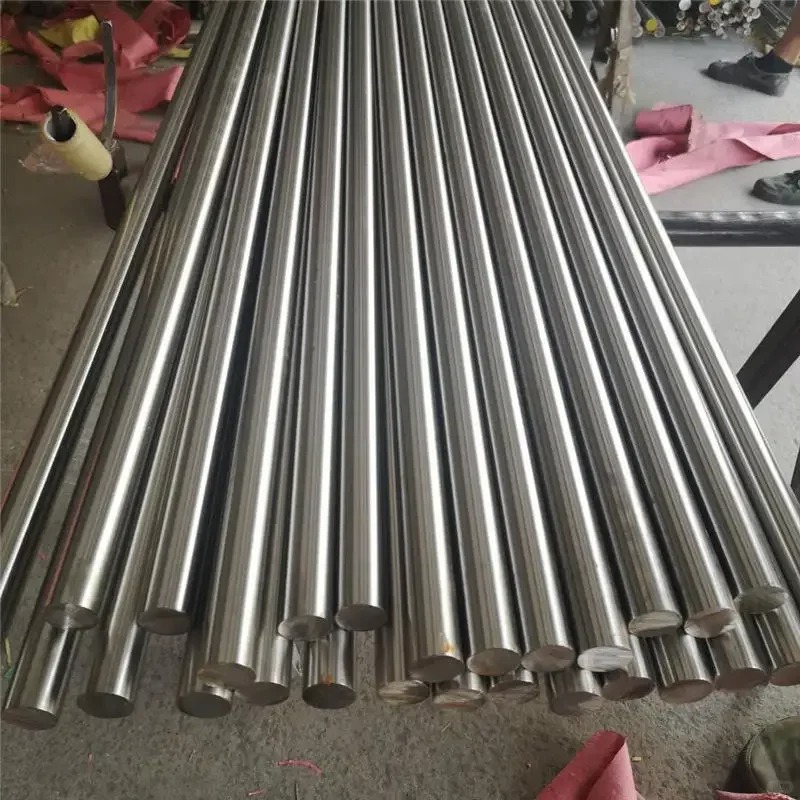
316L Stainless Steel Bar / Rod — Manufacturer, Price, Specifications
Grade 316LView Details →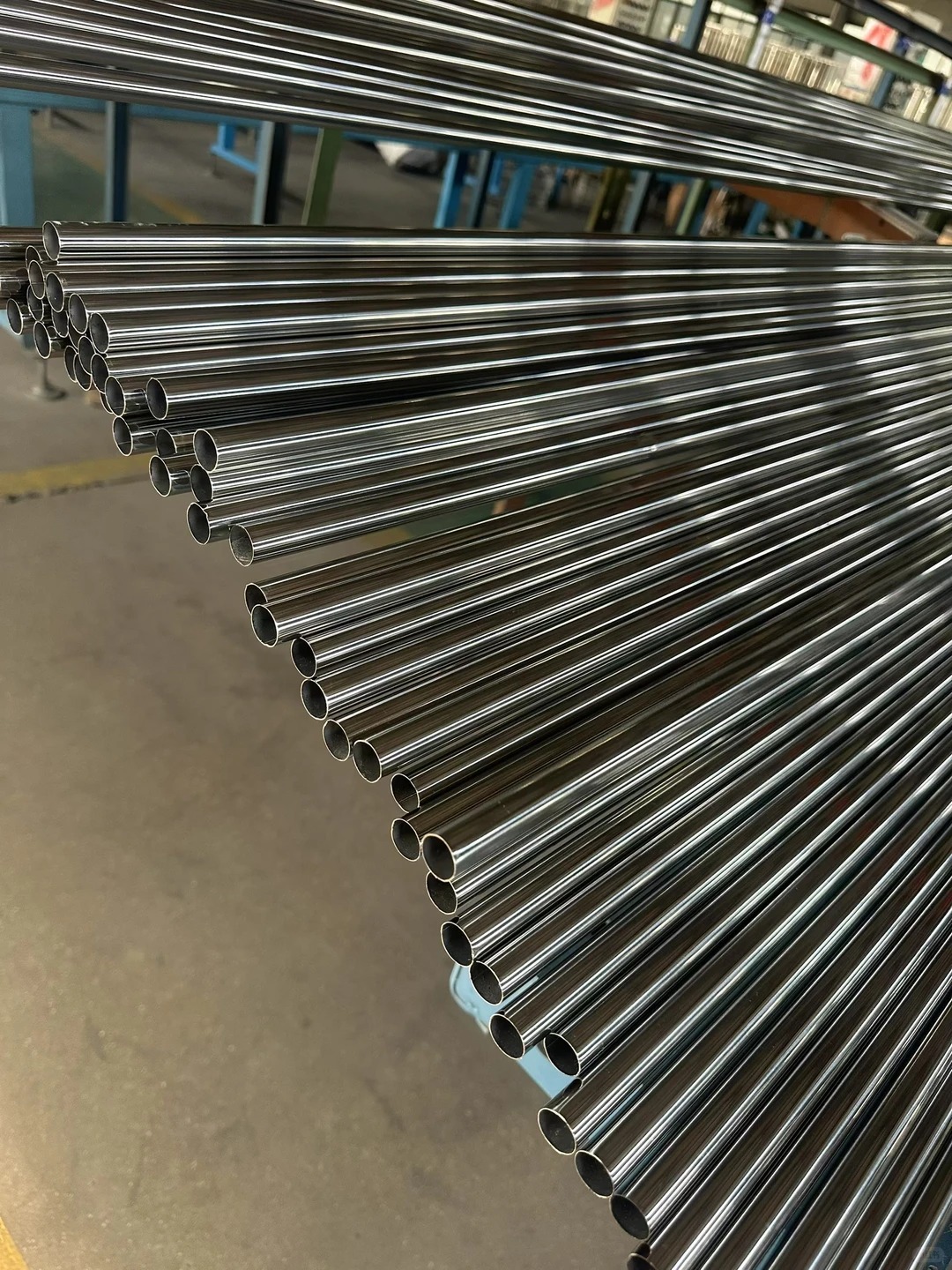
316L Stainless Steel Pipe / Tube — Manufacturer, Price, Specifications
Grade 316LView Details →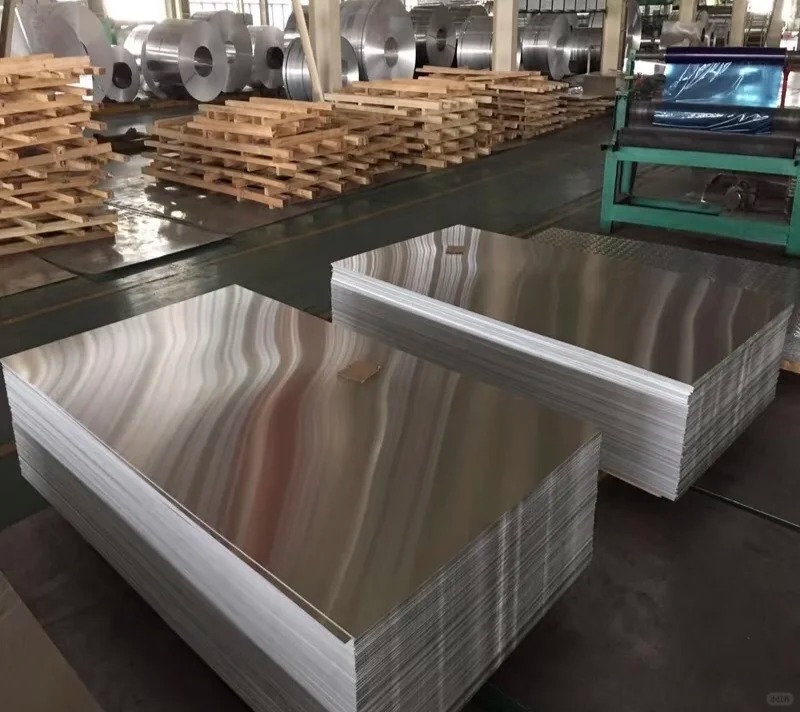
316L Stainless Steel Sheet / Plate — Manufacturer, Price, Specifications
Grade 316LView Details →201 Stainless Steel Pipe / Tube — Manufacturer, Price, Specifications
Grade 201View Details →Still Not Sure Which Material to Choose?
Send us your project specifications — our engineers will help you select the right steel grade at the best price.