
304 vs 316L Stainless Steel: What's the Difference? (2025 Guide)
304 vs 316L stainless steel — compare corrosion resistance, strength, cost, and applications. Learn which grade is right for your project.
304 Stainless Steel
The most popular austenitic stainless steel
316L Stainless Steel
Premium corrosion resistance with molybdenum
Overview
When choosing between 304 and 316L stainless steel, the decision often comes down to corrosion resistance requirements and budget. Both are austenitic stainless steels with excellent formability and weldability, but 316L adds molybdenum for enhanced corrosion resistance — especially against chlorides and acids.
Quick summary: Choose 304 for general-purpose use where cost matters. Choose 316L for marine, chemical, or high-salinity environments where corrosion resistance is critical.
Comparison Table
| Property | 304 Stainless Steel | 316L Stainless Steel |
|---|---|---|
| Grade Type | Austenitic | Austenitic (low carbon) |
| Chromium | 18–20% | 16–18.5% |
| Nickel | 8–10.5% | 10–14% |
| Molybdenum | — | 2–3% |
| Carbon (max) | 0.08% | 0.03% |
| Tensile Strength | 515 MPa (75 ksi) | 485 MPa (70 ksi) |
| Yield Strength | 205 MPa (30 ksi) | 170 MPa (25 ksi) |
| Elongation | 40% | 40% |
| Hardness (HRB) | ≤92 | ≤95 |
| Corrosion Resistance | Good | Excellent (especially chloride) |
| Heat Resistance | Up to 870°C (1600°F) | Up to 925°C (1700°F) |
| Weldability | Excellent | Excellent (low carbon = no carbide precipitation) |
| Formability | Excellent | Excellent |
| Magnetic | No (slightly after cold work) | No |
| Cost | Lower (+1x) | Higher (~1.5–2x) |
304 Stainless Steel — In Detail
304 is the most widely used stainless steel grade in the world, accounting for over 50% of all stainless steel produced. It’s known for its excellent balance of corrosion resistance, formability, and cost.
Key Features of 304
- Good general corrosion resistance
- Excellent formability and ductility
- Easy to weld and fabricate
- Suitable for deep drawing
- Hygienic and easy to clean
- Lower cost than 316L
Common Applications of 304
- Kitchen equipment and appliances
- Food processing equipment
- Architectural trim and fixtures
- Sinks and countertops
- Chemical containers (mild environments)
- Pharmaceutical equipment
- Heat exchangers
316L Stainless Steel — In Detail
316L is the low-carbon version of 316 stainless steel, alloyed with 2–3% molybdenum. The “L” stands for low carbon (≤0.03%), which prevents intergranular corrosion after welding.
Key Features of 316L
- Superior corrosion resistance — especially against chlorides, seawater, and acids
- Low carbon content = no post-weld corrosion
- Excellent at elevated temperatures
- Good formability and weldability
- Pitting and crevice corrosion resistance
- Higher nickel content for better toughness
Common Applications of 316L
- Marine equipment and boat fittings
- Chemical processing equipment
- Pharmaceutical and medical devices
- Coastal architectural structures
- Desalination plants
- Food processing (high-salt / acidic foods)
- Pulp and paper industry
- Wastewater treatment
Which One Should You Choose?
Choose 304 If:
- Your application is indoor or mild outdoor
- No exposure to saltwater or high-chloride environments
- Cost is a primary concern
- You need excellent formability for deep drawing
- The environment is generally dry or mildly corrosive
Choose 316L If:
- Exposure to saltwater, coastal, or marine environments
- Contact with chlorides, acids, or harsh chemicals
- The project involves welding (low carbon prevents sensitization)
- You need higher temperature resistance
- Long-term maintenance-free performance is required
- The material will be used in medical/pharmaceutical applications
Scenario Examples
| Scenario | Recommended Grade |
|---|---|
| Indoor kitchen sink | 304 |
| Coastal building facade | 316L |
| General food processing line | 304 |
| Soy sauce / brine processing | 316L |
| Laboratory equipment | 316L |
| Outdoor furniture (inland) | 304 |
| Boat railing and fittings | 316L |
| Architectural handrail (inland city) | 304 |
FAQ
Is 316L better than 304?
316L is better in terms of corrosion resistance and heat resistance, but it is also more expensive. For general-purpose indoor applications, 304 is usually more than sufficient and more cost-effective.
Can I use 304 stainless steel outdoors?
Yes, 304 can be used outdoors in most environments. However, in coastal areas with salt spray or locations with high air pollution, 316L is recommended to prevent pitting corrosion.
Why is 316L more expensive than 304?
316L contains more nickel (10–14% vs 8–10.5%) and adds molybdenum (2–3%), both of which are expensive alloying elements. The low carbon refinement process also adds to the cost.
Can 304 and 316L be welded together?
Yes, 304 and 316L can be welded together using 316L filler metal. The resulting weld will have corrosion resistance between the two grades, closer to 316L.
How do I identify 304 vs 316L?
The most reliable method is an PMI (Positive Material Identification) test or spectrometer. A simple molybdenum test kit can also detect 316 (turns red/pink for molybdenum). Magnetic testing is NOT reliable — both are essentially non-magnetic in the annealed condition.
Is 316L food safe?
Yes, 316L is food safe and is actually preferred over 304 in many food processing applications, especially when acidic or salty foods are involved. Both 304 and 316L meet FDA food contact standards.
Compare & Shop These Products
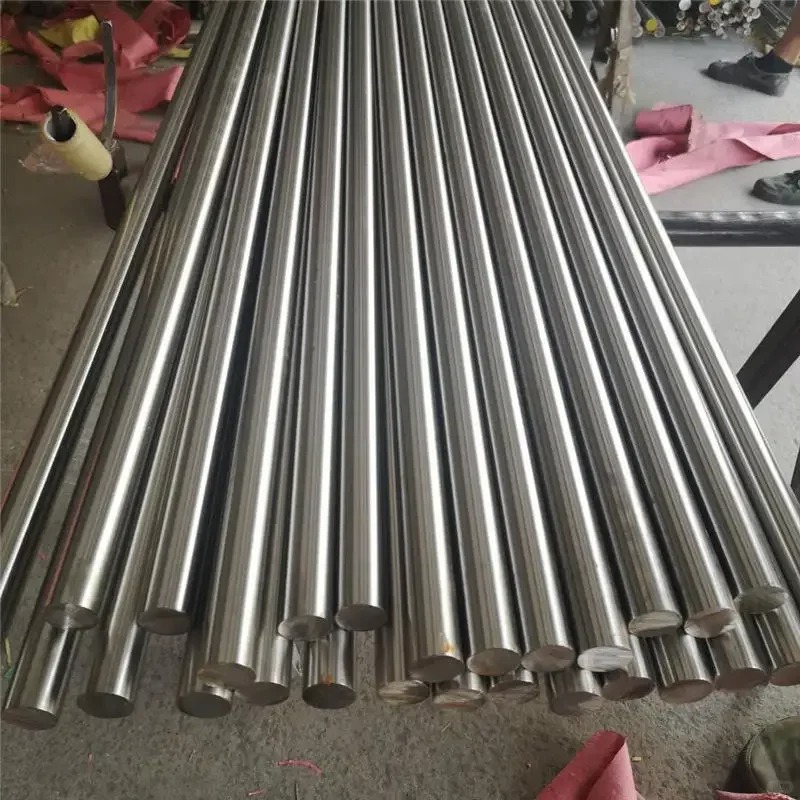
304 Stainless Steel Bar / Rod — Manufacturer, Price, Specifications
Grade 304View Details →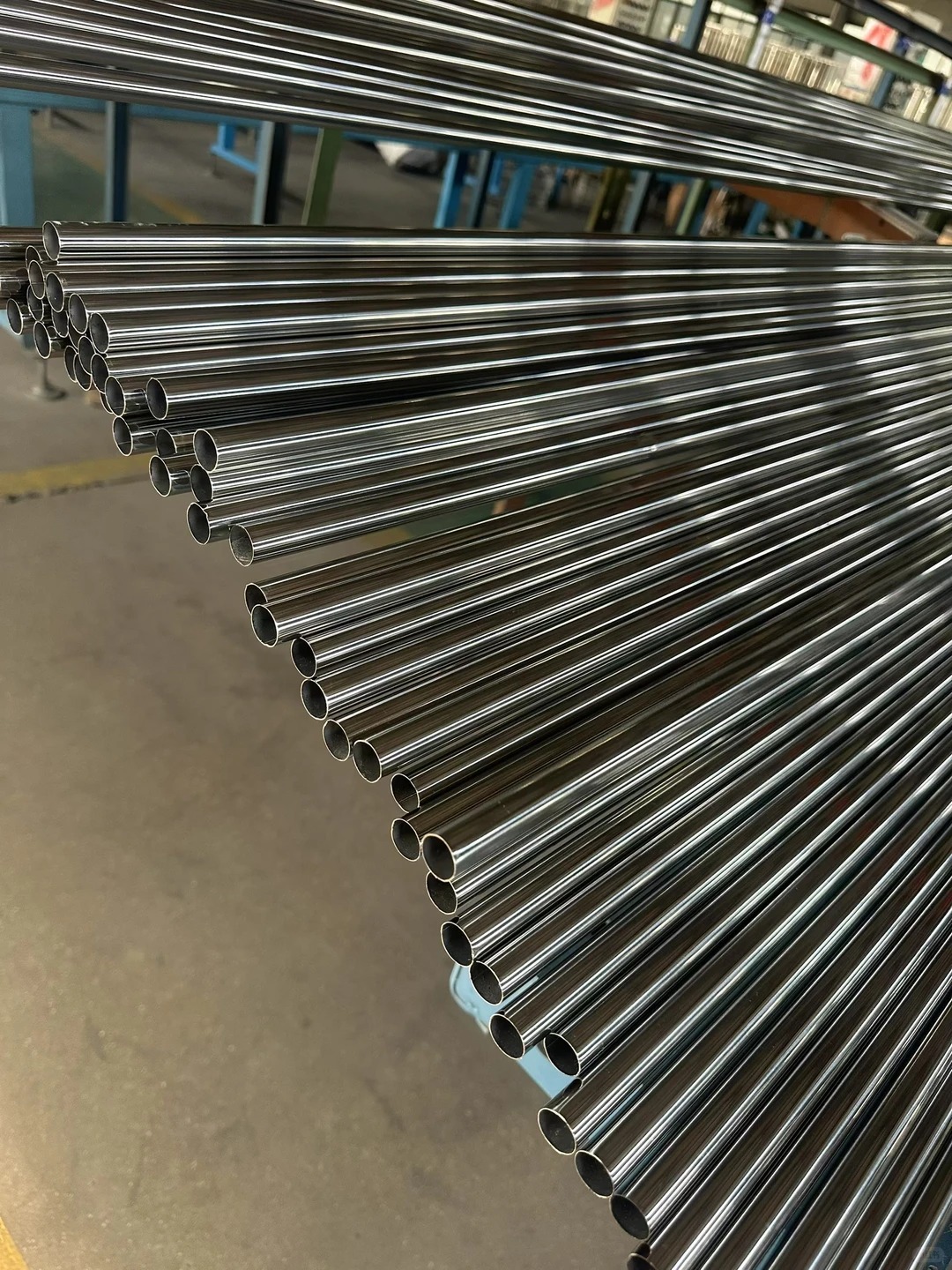
304 Stainless Steel Pipe / Tube — Manufacturer, Price, Specifications
Grade 304View Details →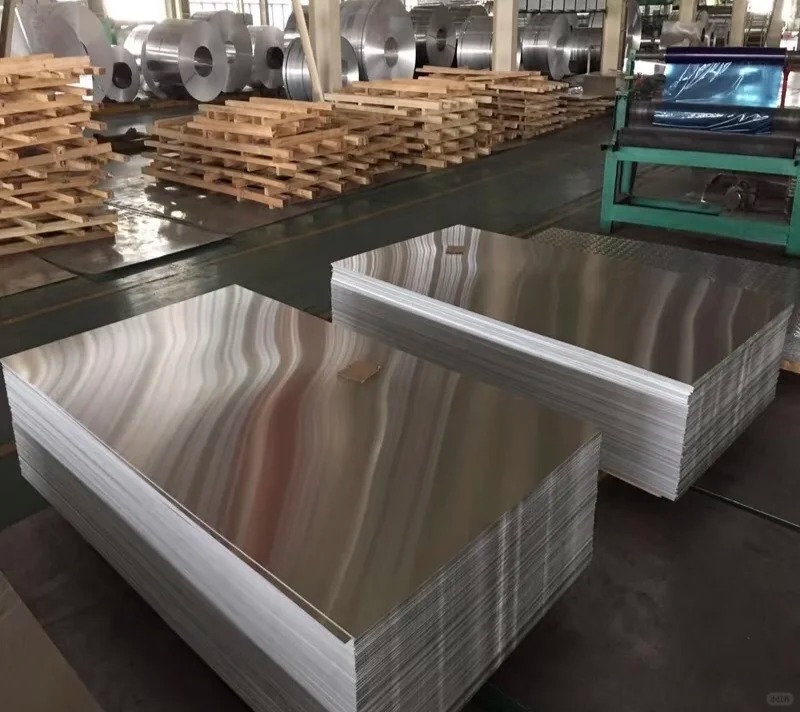
304 Stainless Steel Sheet / Plate — Manufacturer, Price, Specifications
Grade 304View Details →316L Stainless Steel Bar / Rod — Manufacturer, Price, Specifications
Grade 316LView Details →Still Not Sure Which Material to Choose?
Send us your project specifications — our engineers will help you select the right steel grade at the best price.