
304 vs 201 Stainless Steel: Key Differences & Which to Choose
304 vs 201 stainless steel comparison — understand the differences in corrosion resistance, quality, cost, and why 304 is usually worth the premium.
304 Stainless Steel
Premium 18/8 austenitic stainless steel
201 Stainless Steel
Budget-friendly manganese-stabilized stainless
Overview
The difference between 304 and 201 stainless steel is one of the most common questions we get, especially from buyers looking to reduce costs. While 201 can look very similar to 304 (both are shiny and silver-colored), their performance and composition differ significantly.
Quick summary: 201 stainless steel uses manganese instead of nickel to stabilize the austenitic structure, making it significantly cheaper but with much lower corrosion resistance. 304 is the reliable choice for anything beyond decorative indoor use.
Comparison Table
| Property | 304 Stainless Steel | 201 Stainless Steel |
|---|---|---|
| Grade Type | Austenitic (18/8) | Austenitic (Cr-Mn) |
| Chromium | 18–20% | 16–18% |
| Nickel | 8–10.5% | 3.5–5.5% |
| Manganese | 2% (max) | 5.5–7.5% |
| Carbon (max) | 0.08% | 0.15% |
| Tensile Strength | 515 MPa (75 ksi) | 650 MPa (94 ksi) |
| Yield Strength | 205 MPa (30 ksi) | 275 MPa (40 ksi) |
| Elongation | 40% | 40% |
| Corrosion Resistance | Good — Excellent | Poor — Fair |
| Pitting Resistance (PREN) | ~19 | ~15 |
| Salt Spray Test | ~200+ hours | ~24–48 hours |
| Formability | Excellent | Good |
| Weldability | Excellent | Fair — Good |
| Magnetic (annealed) | Non-magnetic | Slightly magnetic |
| Food Safe | Yes (FDA approved) | Generally not recommended |
| Cost | Higher (1x reference) | Lower (~40–60%) |
| Quality Level | Premium / Industrial | Economy / Decorative |
304 Stainless Steel — In Detail
304 is the industry-standard austenitic stainless steel, defined by its 18% chromium and 8% nickel content (often called “18/8”). It offers the best balance of corrosion resistance, formability, and cost for most industrial applications.
Advantages of 304
- Proven, widely-specified worldwide
- Reliable corrosion resistance for most environments
- Excellent deep-drawing properties
- FDA-approved for food contact
- Consistent quality and availability
- Good weldability without post-treatment
Limitations of 304
- Higher cost than 201
- Not for chloride / marine environments (use 316L instead)
201 Stainless Steel — In Detail
201 stainless steel was developed as a nickel-saving alternative during periods of high nickel prices. It replaces much of the nickel with manganese and nitrogen to maintain the austenitic structure. While it has decent strength, its corrosion resistance is significantly lower.
Advantages of 201
- Significantly lower cost than 304
- Higher strength and hardness
- Looks very similar to 304 (polished finish)
- Suitable for decorative applications
Limitations of 201
- Poor corrosion resistance — rusts easily in humid or salty air
- Lower chromium and nickel content
- Higher carbon content can reduce weldability
- Not food-grade (not FDA approved for food contact)
- Can develop “tea staining” quickly outdoors
- May have inconsistent quality from some suppliers
- Difficult to deep-draw compared to 304
Which One Should You Choose?
Choose 304 If:
- The product will be used outdoors or in humid environments
- It comes into contact with food, water, or chemicals
- Long-term durability and low maintenance are required
- You need consistent, reliable quality
- The product is for export to markets with strict standards
- Welding or forming is involved
Choose 201 If:
- Strictly indoor, decorative use only
- Low cost is the primary consideration
- The product will not be exposed to moisture or corrosives
- It’s a short-life or disposable product
- Surface appearance (shine) matters more than durability
Important Warning About 201
Many buyers are tempted by 201’s lower price, but it’s important to understand the trade-offs. 201 stainless steel will:
- Rust in outdoor environments — often within weeks or months
- Not pass salt spray tests required by most international buyers
- Stain and discolor with regular water exposure
- Not meet food safety standards
If you’re selling to customers who expect “stainless steel” performance, 201 can lead to complaints and returns. We typically recommend 304 as the minimum grade for anything sold as “stainless steel” without major caveats.
FAQ
Is 201 stainless steel any good?
201 stainless steel is good for decorative, indoor, dry applications where cost is the main concern and corrosion resistance is not critical. It is NOT recommended for outdoor use, food contact, or any application where rust would be a problem.
Will 201 stainless steel rust?
Yes, 201 stainless steel will rust when exposed to moisture, salt, or harsh environments — often within 24–48 hours in a salt spray test. It has much lower corrosion resistance than 304.
Can 201 stainless steel be used for kitchenware?
We do not recommend 201 for kitchenware that comes into regular contact with food, water, or cleaning chemicals. It can corrode and leach metals. 304 (18/8) is the standard food-safe grade.
Why is 201 so much cheaper than 304?
201 uses significantly less nickel (3.5–5.5% vs 8–10.5%) and replaces it with much cheaper manganese. Since nickel is the most expensive alloying element in stainless steel, this dramatically reduces the cost.
How can I tell 201 from 304?
A manganese or nickel test kit is the simplest field method. More accurately, use a PMI spectrometer. A magnet is not a reliable test — both grades are mostly non-magnetic in annealed form, though 201 may show slight magnetism.
Does 201 stainless steel contain nickel?
Yes, 201 still contains 3.5–5.5% nickel, but significantly less than 304’s 8–10.5%. Some marketing claims of “nickel-free stainless steel” referring to 201 are inaccurate.
Compare & Shop These Products
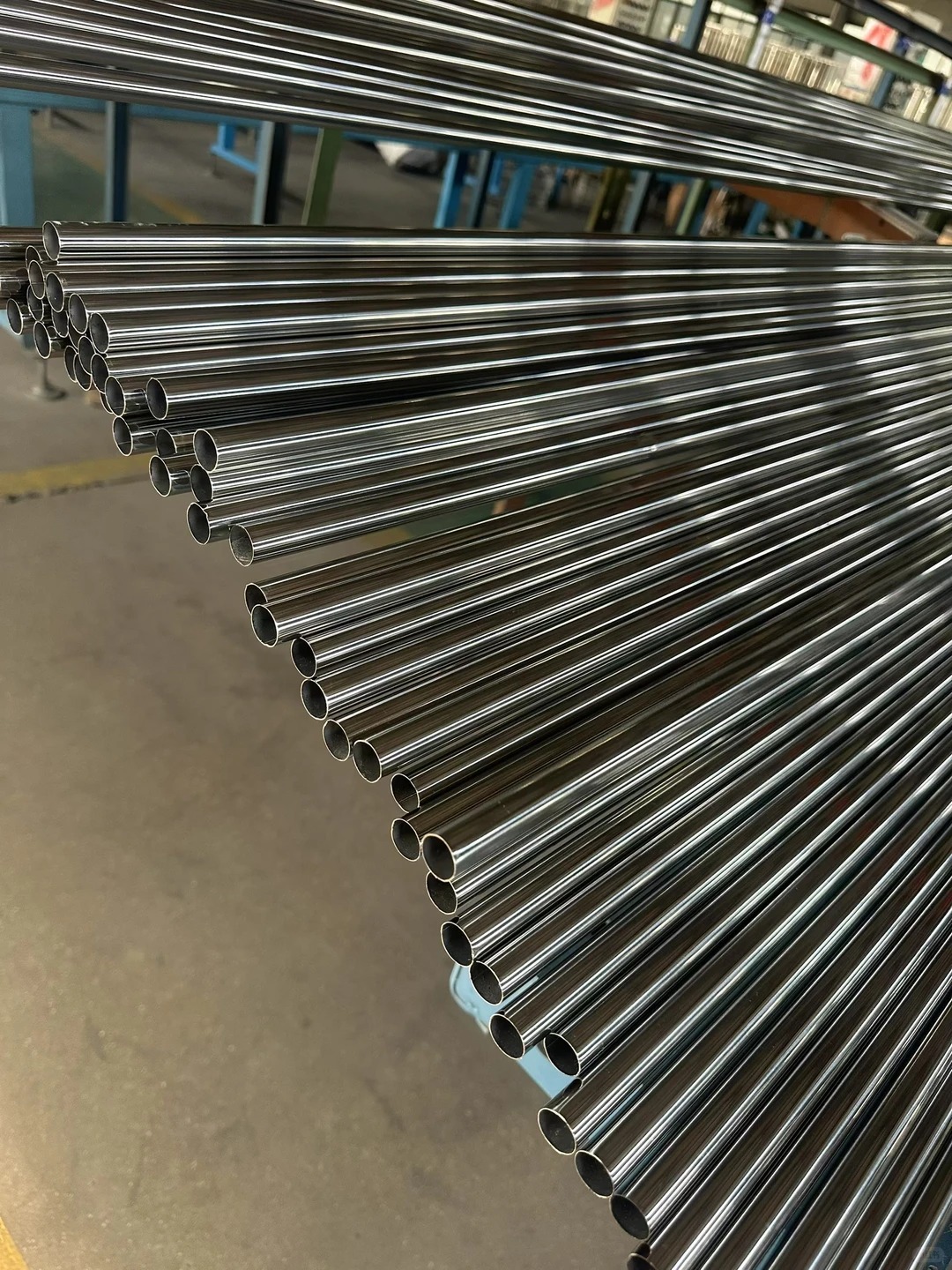
201 Stainless Steel Pipe / Tube — Manufacturer, Price, Specifications
Grade 201View Details →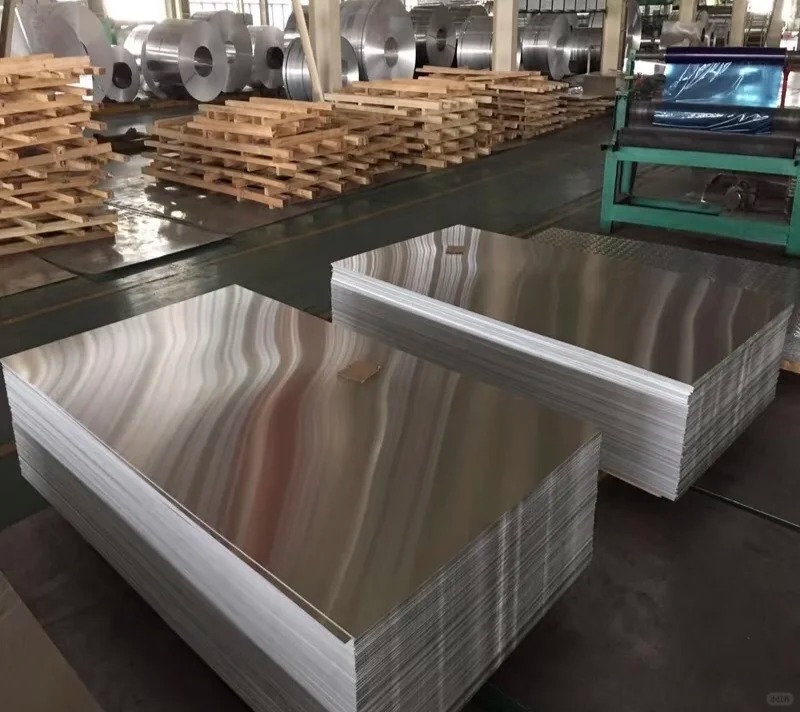
201 Stainless Steel Sheet / Plate — Manufacturer, Price, Specifications
Grade 201View Details →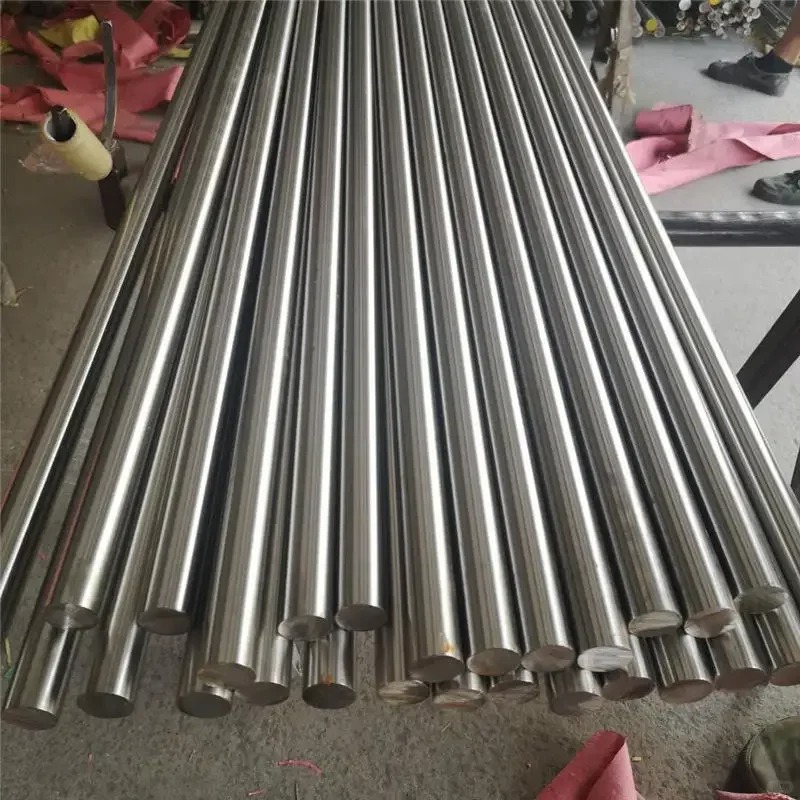
304 Stainless Steel Bar / Rod — Manufacturer, Price, Specifications
Grade 304View Details →304 Stainless Steel Pipe / Tube — Manufacturer, Price, Specifications
Grade 304View Details →Still Not Sure Which Material to Choose?
Send us your project specifications — our engineers will help you select the right steel grade at the best price.