
What is 304 Stainless Steel? Properties, Grades & Applications
Learn everything about 304 stainless steel (18/8) — its composition, mechanical properties, corrosion resistance, common applications, and how it compares to other grades.
What is 304 Stainless Steel?
304 stainless steel is the most widely used austenitic stainless steel grade in the world, accounting for over 50% of all stainless steel produced globally. It’s part of the 300-series stainless steels and is often referred to as “18/8 stainless steel” due to its composition of approximately 18% chromium and 8% nickel.
304 is known for its excellent balance of corrosion resistance, formability, weldability, and cost-effectiveness, making it the go-to choice for a vast range of industrial, architectural, and consumer applications.
Chemical Composition
The composition of 304 stainless steel (UNS S30400 / EN 1.4301) is:
| Element | Composition |
|---|---|
| Chromium (Cr) | 18.0 – 20.0% |
| Nickel (Ni) | 8.0 – 10.5% |
| Carbon (C) | ≤ 0.08% |
| Manganese (Mn) | ≤ 2.00% |
| Silicon (Si) | ≤ 1.00% |
| Phosphorus (P) | ≤ 0.045% |
| Sulfur (S) | ≤ 0.030% |
| Iron (Fe) | Balance |
Why These Elements Matter
- Chromium (18–20%): The key element that makes stainless steel “stainless.” Chromium forms a thin, self-healing passive oxide layer (Cr₂O₃) on the surface that prevents rusting.
- Nickel (8–10.5%): Stabilizes the austenitic crystal structure, improves ductility and toughness, and enhances corrosion resistance.
- Carbon (≤0.08%): Provides some strength but must be kept low to maintain corrosion resistance after welding.
Mechanical Properties
| Property | Value (typical) |
|---|---|
| Tensile Strength | ≥ 515 MPa (75,000 psi) |
| Yield Strength (0.2% offset) | ≥ 205 MPa (30,000 psi) |
| Elongation (in 2") | ≥ 40% |
| Hardness (Rockwell B) | ≤ 92 HRB |
| Elastic Modulus | 193 GPa (28 × 10⁶ psi) |
| Density | 8.00 g/cm³ (0.289 lb/in³) |
| Melting Range | 1400 – 1450°C (2550 – 2640°F) |
Why is 304 Stainless Steel So Popular?
304’s dominance comes down to its versatility and balanced properties:
1. Excellent Corrosion Resistance
304 provides good corrosion resistance in a wide range of environments:
- Atmospheric exposure (urban and rural)
- Fresh water and most food products
- Mild chemicals and acids
- Indoor and outdoor architectural use
It resists rusting and staining much better than carbon steel or lower-grade stainless steels like 201.
2. Superior Formability and Ductility
With 40% elongation and a fully austenitic structure, 304 is extremely formable:
- Deep drawing for sinks, pots, and pans
- Bending and rolling for architectural trim
- Stamping and spinning
- Tube and pipe forming
3. Excellent Weldability
304 can be welded by all common methods:
- TIG (GTAW) and MIG (GMAW)
- Spot welding
- Laser welding
- Arc welding
Note: For welded assemblies that will see corrosive service, many fabricators prefer 304L (low carbon, ≤0.03% C) to avoid intergranular corrosion in the heat-affected zone.
4. Hygienic and Easy to Clean
The smooth, non-porous surface of 304 is:
- Easy to sanitize
- Resistant to bacterial growth
- Approved for food contact (FDA)
- Ideal for pharmaceutical and medical applications
5. Good High-Temperature Performance
304 retains good strength and oxidation resistance up to about 870°C (1600°F) in continuous service, making it suitable for:
- Oven components
- Heat exchangers
- Exhaust systems
- Furnace parts
Common Applications of 304 Stainless Steel
Food & Beverage Industry
- Kitchen sinks, countertops, and appliances
- Food processing equipment and conveyors
- Brewery and dairy equipment
- Storage tanks and piping
- Cutlery and cookware
Architectural & Construction
- Handrails, guardrails, and staircases
- Window and door frames
- Roofing and facade panels
- Decorative trim and panels
- Structural components
Chemical & Pharmaceutical
- Process piping and vessels
- Heat exchangers
- Pharmaceutical equipment
- Laboratory benches and equipment
- Storage tanks for mild chemicals
Automotive & Transportation
- Exhaust system components
- Trim and decorative parts
- Structural components
- Bus and railcar interiors
Oil & Gas
- Offshore platforms (non-splash zones)
- Refinery equipment (mild service)
- Valve and fitting components
304 vs 304L: What’s the Difference?
304L is the low-carbon version of 304 (≤0.03% C vs ≤0.08% C). The “L” stands for “Low Carbon.”
The main difference matters for welded fabrications:
- 304: Can experience intergranular corrosion in the weld HAZ if not post-annealed
- 304L: Low carbon prevents carbide precipitation during welding — no post-weld treatment needed
For most non-welded applications, 304 and 304L perform essentially the same. 304L has become the standard supply grade in many markets because it offers more flexibility.
How to Identify 304 Stainless Steel
Methods to Test for 304:
- PMI (Positive Material Identification): Most accurate — uses X-ray fluorescence (XRF) to analyze composition
- Molybdenum test kit: Will turn red/pink for 316 (contains Mo), stays colorless for 304
- Magnet test: NOT reliable — both 304 and 316 are essentially non-magnetic in the annealed state
- Spectrometer: Laboratory analysis for precise composition
Limitations of 304 Stainless Steel
While versatile, 304 does have limitations:
❌ Not for Chloride Environments
304 is susceptible to pitting and crevice corrosion in chloride-rich environments:
- Seawater and coastal areas (use 316L instead)
- Road salt exposure
- Chlorine-based cleaning products
- Brine and salt solutions
❌ Not for Strong Acids
Strong acids (sulfuric, hydrochloric) can attack 304. For harsh chemical service, consider 316L, 904L, or other specialty alloys.
❌ Can Stain in Certain Conditions
“Tea staining” or superficial rust discoloration can occur in:
- Industrial / polluted atmospheres
- Coastal areas with salt spray
- When iron particles from carbon steel contamination become embedded
What Surface Finishes are Available for 304?
304 is available in a wide range of surface finishes:
| Finish | Description | Typical Use |
|---|---|---|
| 2B | Cold rolled, annealed, pickled | General purpose, most common |
| BA (Bright Annealed) | Bright, reflective, smooth | Appliances, kitchenware |
| No. 4 (Brushed) | Directional brushed lines | Architectural, appliances |
| 8K / Mirror | Polished to mirror finish | Decorative, reflectors |
| Hairline | Fine directional lines | Decorative panels |
| Embossed | Textured surface pattern | Flooring, decorative |
Conclusion
304 stainless steel is the workhorse of the stainless steel family — the standard against which all other grades are measured. Its excellent balance of corrosion resistance, formability, weldability, and cost make it the first choice for thousands of applications.
When to choose 304:
- General-purpose stainless steel applications
- Food and beverage processing
- Indoor and mild outdoor environments
- Good formability required
- Cost-effective corrosion resistance needed
When to upgrade from 304:
- Coastal / marine environments → choose 316L
- Welded corrosion-critical components → choose 304L or 316L
- High-temperature service beyond 800°C → consider 309S or 310S
- Budget decorative only → consider 201 (with caveats)
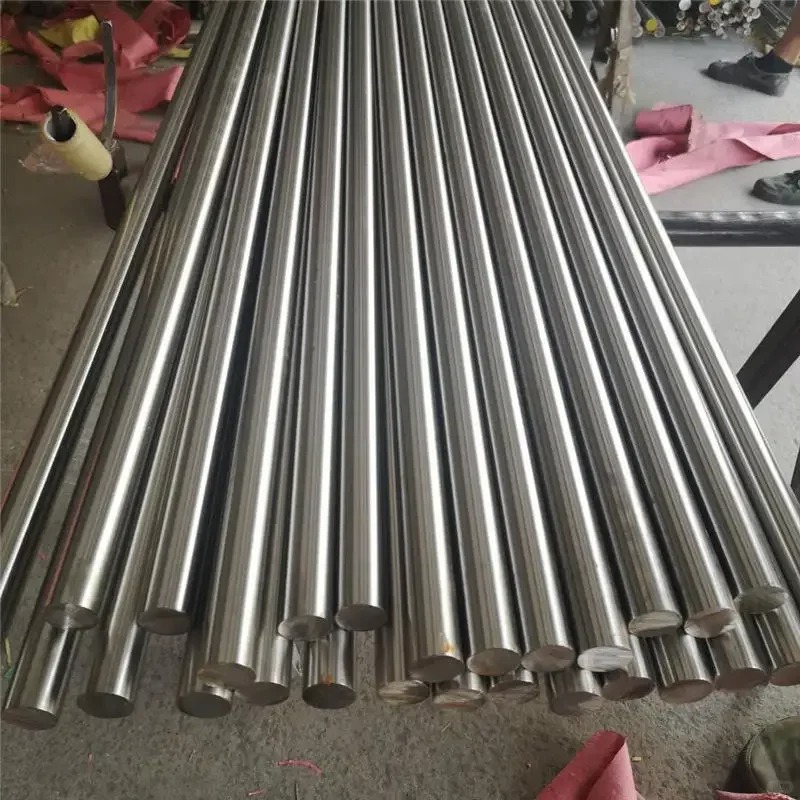
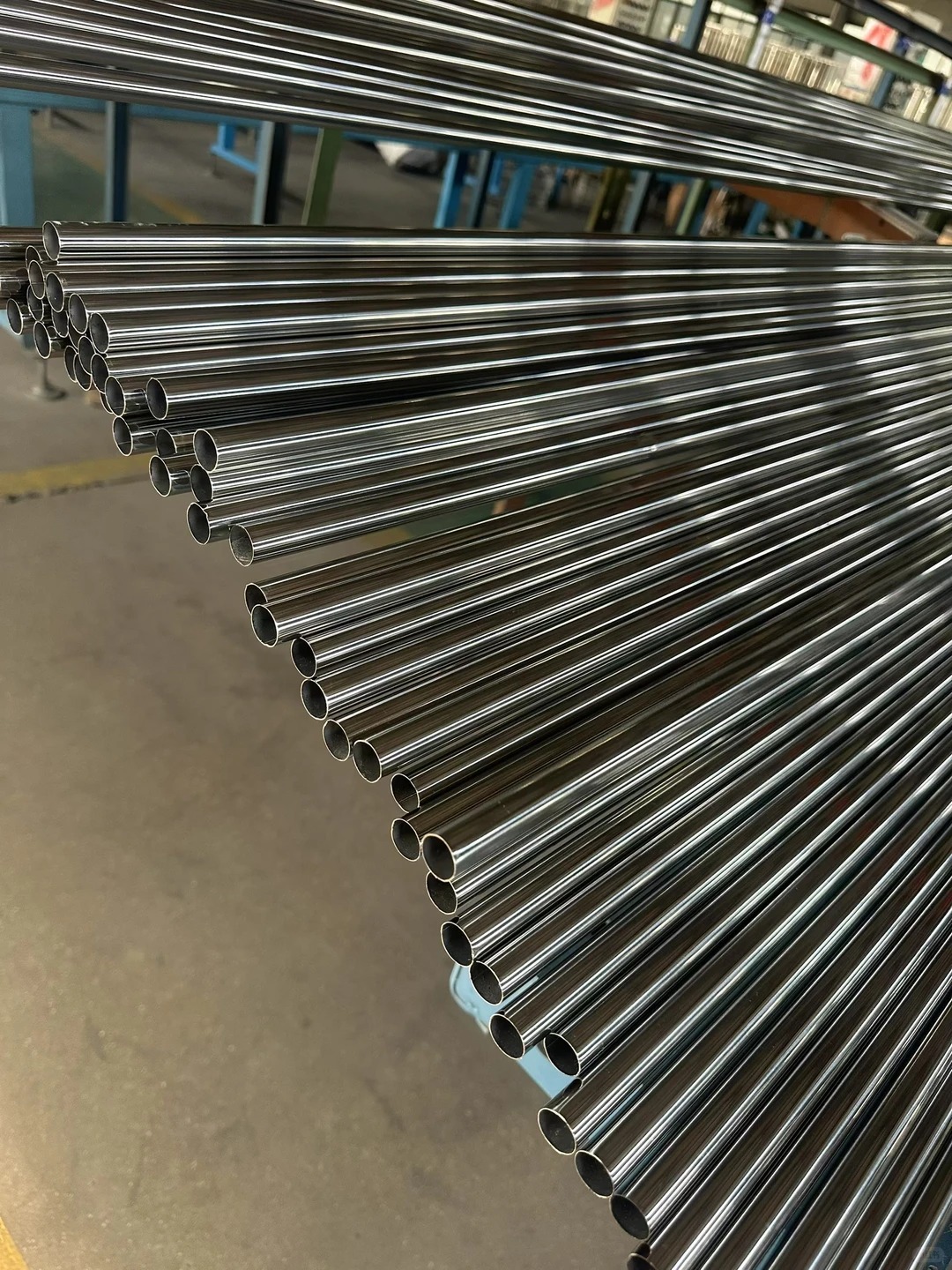
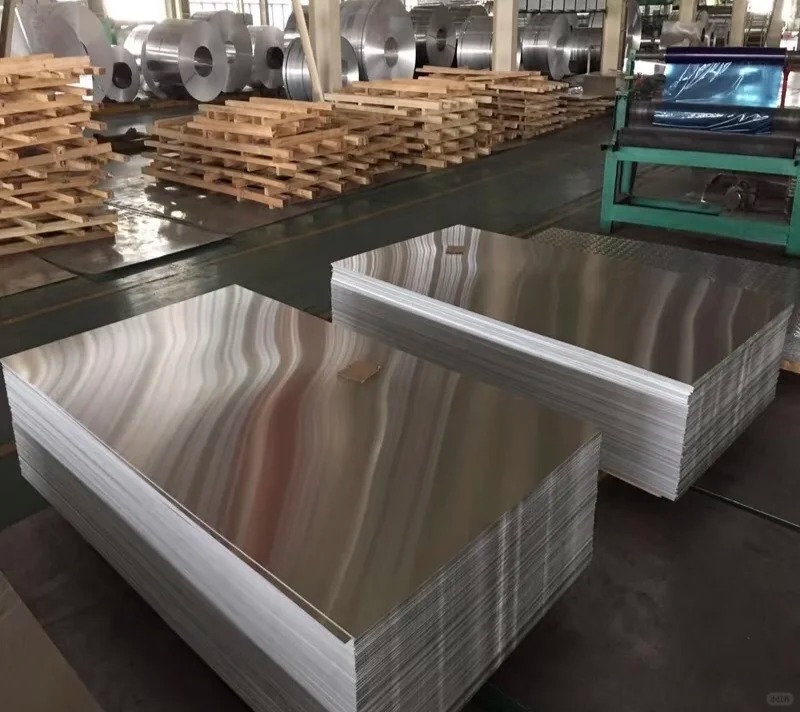
At {{ .Site.Params.companyShortName }}, we supply 304 stainless steel sheet, plate, pipe, tube, bar, and custom profiles. Contact us for a competitive quote.
Explore Related Products
Frequently Asked Questions
Is 304 stainless steel food safe?
Yes, 304 stainless steel is food safe and meets FDA requirements for food contact. It's widely used in food processing equipment, kitchenware, and restaurant fixtures.
Will 304 stainless steel rust?
304 stainless steel is highly corrosion-resistant but not completely rust-proof. It can develop staining or pitting in chloride-rich environments (saltwater, road salt) or in highly polluted atmospheres. For coastal or marine use, 316L is recommended.
What's the difference between 304 and 18/8?
18/8 stainless steel is the same as 304 — the numbers refer to approximately 18% chromium and 8% nickel content. 18/8 is a common designation used in cookware and consumer products.
Can 304 stainless steel be welded?
Yes, 304 has excellent weldability and can be welded by all common methods (TIG, MIG, spot, laser). For welded assemblies in corrosive environments, 304L (low carbon) is often preferred to prevent intergranular corrosion.
Is 304 magnetic?
In the fully annealed condition, 304 is essentially non-magnetic. However, cold working (bending, drawing) can induce some magnetism. Magnetic properties alone cannot reliably identify 304 stainless steel.
How much does 304 stainless steel cost?
304 stainless steel prices fluctuate with nickel and chromium market prices. As a general reference, 304 is approximately 3-5 times the cost of carbon steel but more affordable than 316L (which is about 30-50% more expensive than 304). Contact us for current pricing.
Looking for a Reliable Steel Supplier?
Rubao-Chinasteel supplies high-quality steel products at factory-direct prices. MOQ from 1 ton · ISO certified · Fast global delivery.