
Does Galvanized Steel Rust? (And How to Prevent It)
Does galvanized steel rust? Learn why galvanized steel is more rust-resistant than regular steel, the two protection mechanisms, when it can rust, and how to extend its service life.
Does Galvanized Steel Rust?
Yes, galvanized steel can rust — but it resists rust much better than regular carbon steel. The zinc coating provides strong protection that significantly slows down corrosion, but it is not completely rust-proof under all conditions.
Galvanized steel is made by applying a layer of zinc to the surface of ordinary steel. This zinc layer acts as a protective barrier, slowing down the rusting process considerably. However, under certain conditions — such as deep scratches, prolonged immersion in water, or highly corrosive environments — the zinc layer can be worn away, and the underlying steel will eventually begin to rust.
In this guide, we’ll break down how galvanized steel works, why it’s so effective at preventing rust, the conditions that can cause it to corrode, and what you can do to maximize its lifespan.
Why Galvanized Steel Resists Rust: The Dual Protection Mechanism
Galvanized steel owes its excellent rust resistance to two complementary protection mechanisms — a physical barrier and sacrificial anode protection. Together, they create a defense system far more robust than a simple paint or polymer coating.
1. Physical Barrier Protection
The zinc layer on the surface acts like a protective raincoat for the steel underneath. As long as the zinc coating remains intact, it physically separates the iron in the steel from the oxygen and moisture in the air that cause rusting.
This barrier is highly effective because:
- Zinc forms a dense, continuous layer that covers every surface of the steel (including edges and crevices)
- It adheres tightly to the steel surface and does not peel or chip easily
- It is resistant to abrasion and mechanical damage
- Even thin zinc layers provide meaningful protection
2. Sacrificial Anode Protection (Cathodic Protection)
This is the truly remarkable feature of galvanizing. Zinc is more chemically reactive than iron — it has a higher position in the galvanic series. This means that when both zinc and iron are exposed to an electrolyte (like water), the zinc will corrode first, sacrificing itself to protect the iron.
Here’s how it works:
- If the zinc coating gets scratched, exposing a small area of bare steel
- The surrounding zinc acts as a sacrificial anode
- It corrodes preferentially, releasing electrons that prevent the iron from oxidizing
- The corrosion products of zinc (zinc oxide, zinc hydroxide, zinc carbonate) form a dense, insoluble film
- This film further slows down corrosion by sealing off the surface
This sacrificial protection works even for small scratches and cut edges — as long as there is zinc nearby, the exposed steel will remain protected.
When Does Galvanized Steel Rust?
While galvanized steel is much more rust-resistant than plain steel, it is not indestructible. Under the following conditions, galvanized steel can and will rust:
1. Damage to the Zinc Layer
If the zinc coating is severely scratched, cut, drilled, or abraded, and the damaged area is too large for the remaining zinc to protect via the sacrificial anode mechanism, the exposed steel will begin to rust.
This is most common with:
- Deep scratches that penetrate entirely through the zinc layer
- Cut edges and drilled holes
- Welded joints where the zinc has been burned away
- Areas that have been ground or sanded
Important: Small scratches (a few millimeters wide) are usually still protected by the sacrificial anode effect of the surrounding zinc. Large damaged areas may need touch-up protection.
2. Prolonged Water Exposure or High Humidity
When galvanized steel is continuously immersed in water or kept in extremely humid, poorly ventilated conditions, the zinc layer corrodes at a much faster rate. Once the zinc is consumed, the steel beneath will begin to rust.
Factors that accelerate this include:
- Permanent immersion (submerged structures, water tanks)
- Very high humidity with poor ventilation
- Condensation forming regularly on the surface
- Alternating wet and dry cycles without drying time
In dry, well-ventilated outdoor environments, galvanized steel can last for decades. In permanent immersion, its lifespan may be only a few years.
3. Aggressive Chemical Environments
In harsh corrosive environments, the zinc layer is consumed much more rapidly than normal. This is particularly true for:
- Coastal areas — high salt content in the air accelerates zinc corrosion
- Near chemical plants — exposure to acids, alkalis, and corrosive fumes
- Acidic or alkaline liquids — direct contact with corrosive fluids
- Industrial atmospheres — sulfur dioxide and other pollutants speed up zinc corrosion
In these environments, standard galvanized steel may not provide sufficient long-term protection, and you may need to consider stainless steel, aluminum, or specialized coatings instead.
4. Poor Storage or Low-Quality Products
Rusting can also occur due to factors unrelated to the galvanizing process itself:
- Improper storage: Storing galvanized sheets in damp conditions, on wet ground, or without proper ventilation
- Surface contamination: Contact with corrosive chemicals, fertilizers, or salts
- Low-quality galvanizing: Uneven zinc coating, insufficient thickness, or poor adhesion to the steel substrate
- White rust formation: Zinc oxide hydrate (white rust) can form if fresh galvanized steel is stored in damp, poorly ventilated conditions
White rust (zinc corrosion products) does not necessarily mean the steel is rusting — it is the zinc itself corroding — but excessive white rust can consume the zinc layer prematurely.
How to Extend the Life of Galvanized Steel
With proper handling and maintenance, galvanized steel can provide many years of rust-free service. Here are the most effective ways to maximize its lifespan:
1. Seal Cut Edges and Damaged Areas
When galvanized steel is cut, drilled, or welded, the zinc layer is destroyed at those locations. These areas become vulnerable points where rust can start.
How to seal cut edges:
- Apply zinc-rich paint or cold galvanizing compound
- Use zinc tape or zinc mastic for larger areas
- Apply a matching paint or sealant after cleaning the surface
- For welded joints, grind and touch up with zinc paint
Even a small amount of zinc-rich coating can restore a surprising amount of sacrificial protection.
2. Keep It Dry and Well-Ventilated
Moisture is the main enemy of galvanized steel. The drier the conditions, the longer the zinc layer will last.
Best practices for storage and use:
- Store indoors in a dry, ventilated area
- Keep off the ground on wooden pallets or racks
- Allow air circulation around stored sheets
- Protect from rain and direct ground contact during transport
- Wipe off condensation if it forms regularly
For outdoor installations, ensure proper drainage and avoid areas where water can pool or remain in prolonged contact with the surface.
3. Clean Gently and Regularly
Dirt, dust, and chemical deposits on the surface can accelerate corrosion by trapping moisture. Regular gentle cleaning helps maintain the zinc layer’s protective properties.
Cleaning guidelines:
- Use clean water and a soft cloth or sponge for routine cleaning
- For stubborn stains, use a mild, neutral detergent
- Avoid abrasive cleaners or scouring pads that can scratch the zinc layer
- Never use strong acids or alkalis — they will dissolve the zinc coating
- Rinse thoroughly and dry after cleaning
4. Choose the Right Galvanizing Process
Not all galvanized steel is the same. Different galvanizing methods produce zinc layers of different thickness and quality.
| Process | Zinc Thickness | Best For | Corrosion Resistance |
|---|---|---|---|
| Hot-dip galvanizing | 45-100+ μm | Outdoor structures, heavy duty | Excellent |
| Electro-galvanizing | 5-25 μm | Indoor, appliances, auto parts | Moderate |
| Galvanneal | 10-30 μm (alloyed) | Painted products, forming | Good (especially under paint) |
For outdoor or harsh environments, always choose hot-dip galvanized steel — it has a much thicker zinc layer and provides significantly longer protection. Electro-galvanized is better for indoor use where appearance matters more than extreme durability.
5. Consider Top Coating for Extra Protection
For particularly demanding environments, you can combine galvanizing with additional protective coatings:
- Paint or powder coating: A paint system over galvanized steel provides a two-layer defense (the paint plus the zinc)
- PVC or plastisol coating: For extreme corrosion resistance, especially underground or underwater
- Epoxy coating: For chemical resistance in industrial environments
The combination of zinc plus an organic coating is often called a “duplex system” and can multiply the service life many times over.
Galvanized Steel vs. Other Materials: Rust Resistance Comparison
| Material | Rust Resistance | Typical Outdoor Lifespan | Best Use Case |
|---|---|---|---|
| Plain carbon steel | Poor | Months to a few years | Indoor, painted, or temporary use |
| Galvanized steel | Good to very good | 15-50+ years (depends on environment) | General outdoor structures, fencing, roofing |
| Galvanized + painted | Excellent | 30-70+ years | Building facades, bridges, poles |
| Aluminum | Very good | Decades | Lightweight applications, marine |
| Stainless steel (304) | Excellent | 50+ years | Food, medical, architectural |
| Stainless steel (316) | Outstanding | Lifetime in most environments | Marine, chemical, harsh conditions |
Final Takeaway
Galvanized steel is not completely rust-proof — it can and will rust under the right conditions. But it provides far better rust protection than plain carbon steel through its dual mechanism of physical barrier protection and sacrificial anode protection.
The key points to remember:
- Galvanized steel resists rust much better than regular steel
- It works through both physical barrier AND sacrificial anode protection
- It will eventually rust if the zinc layer is damaged or consumed
- High humidity, salt, and chemicals speed up zinc corrosion
- You can extend its life by sealing cuts, keeping it dry, and gentle cleaning
- Choose hot-dip galvanized for outdoor or harsh environments
For most general-purpose outdoor applications, galvanized steel offers an excellent balance of cost and durability — often lasting 20 years or more with minimal maintenance.
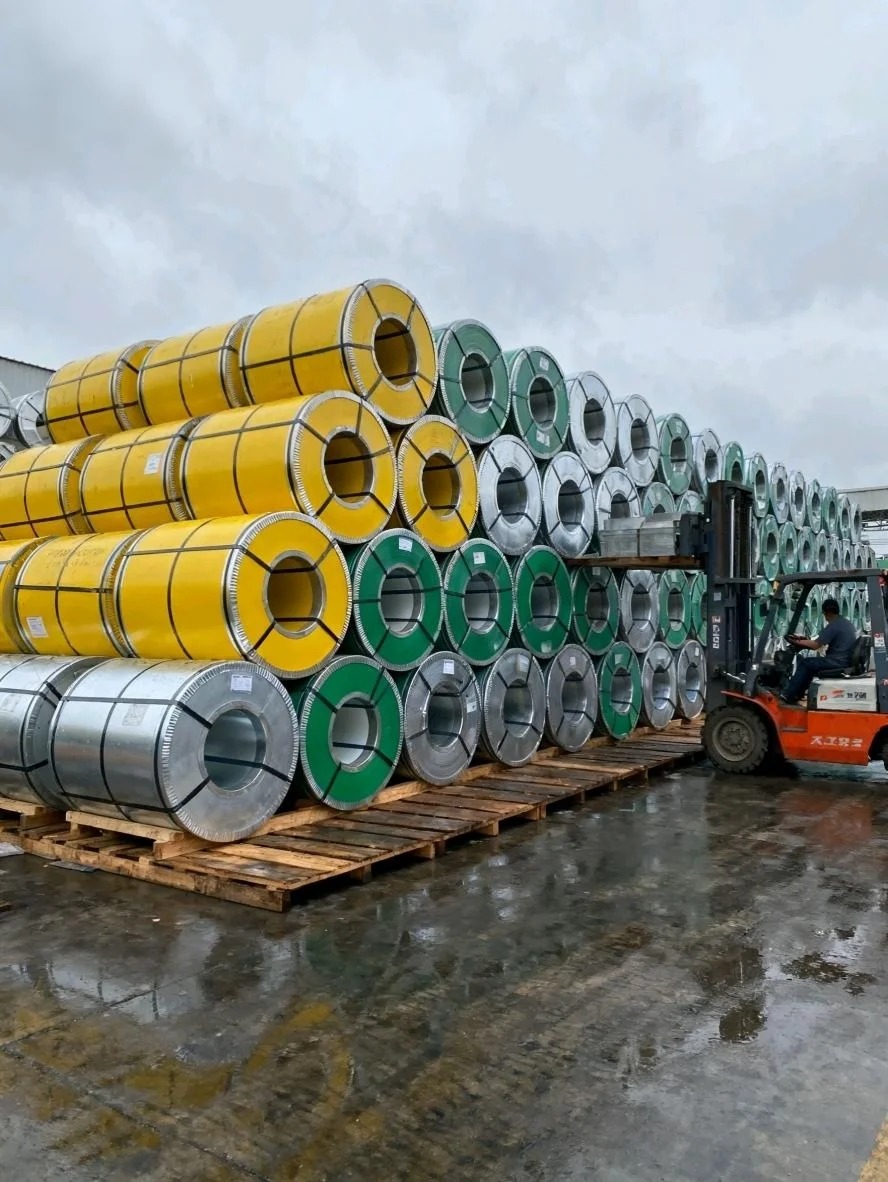
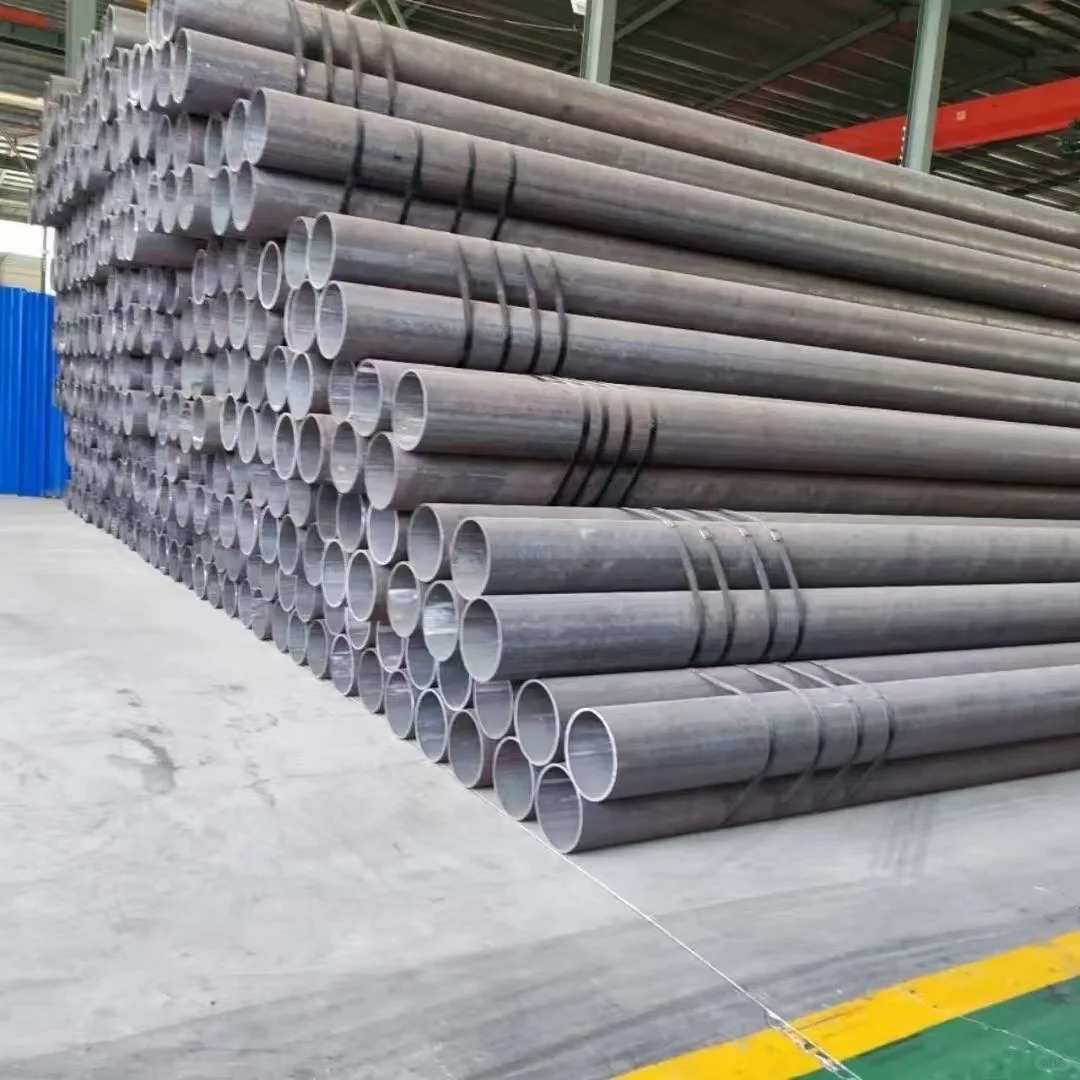
Explore Related Products
Frequently Asked Questions
How long does galvanized steel last before rusting?
The lifespan of galvanized steel depends heavily on the environment. In rural, dry outdoor environments, hot-dip galvanized steel can last 50+ years. In moderate suburban/urban areas, expect 25-40 years. In coastal or industrial environments with salt and chemical exposure, it may last only 10-20 years. In permanent water immersion, lifespan is much shorter, typically 2-10 years depending on water chemistry.
Will galvanized steel rust if scratched?
Small scratches in galvanized steel usually do not cause rust because of the sacrificial anode protection — the surrounding zinc will corrode preferentially to protect the exposed steel. For very small scratches (a few millimeters wide), the zinc provides complete protection. For larger damaged areas (cm-scale or bigger), the sacrificial protection may not reach the middle of the exposed area, and that spot may eventually rust. It's good practice to touch up large scratches with zinc-rich paint.
Is galvanized steel better than stainless steel?
It depends on what you mean by 'better.' Galvanized steel is much cheaper than stainless steel and provides good corrosion resistance for many applications. However, stainless steel (especially 304 and 316) offers far superior corrosion resistance, especially in harsh environments, and maintains its appearance better over time. For structural applications where cost matters and corrosion is moderate, galvanized is the practical choice. For applications where appearance, hygiene, or extreme corrosion resistance matters, stainless steel is worth the extra cost.
What is white rust on galvanized steel?
White rust is a white, powdery deposit of zinc corrosion products (zinc hydroxide and zinc oxide/carbonate) that forms on fresh galvanized surfaces when they are exposed to moisture without free access to air. It is commonly seen on newly galvanized sheets that have been stored in damp, poorly ventilated conditions. White rust is not the same as the steel rusting — it is the zinc coating itself corroding. Mild white rust can be cleaned off and usually does not significantly reduce the coating's life, but heavy white rust can consume the zinc layer prematurely.
Can you paint over galvanized steel?
Yes, you can paint over galvanized steel, but proper surface preparation is important because paint does not adhere well to fresh, smooth zinc surfaces. The surface needs to be cleaned and often etched or primed with a specialized zinc primer before painting. The combination of galvanizing plus paint (called a duplex system) is very effective — the paint provides an additional barrier, and the zinc provides sacrificial protection where the paint may chip. This can multiply the service life compared to either coating alone.
Which is better: hot-dip or electro-galvanized?
Hot-dip galvanizing is better for corrosion resistance because it produces a much thicker zinc layer (typically 45-100+ microns vs. 5-25 microns for electro-galvanizing). Hot-dip is the standard for outdoor structures, fencing, and utility poles. Electro-galvanizing produces a thinner, smoother, more uniform zinc coating that is better for indoor applications, automotive parts, appliances, and products where appearance and paintability are more important than maximum corrosion resistance.
Looking for a Reliable Steel Supplier?
Rubao-Chinasteel supplies high-quality steel products at factory-direct prices. MOQ from 1 ton · ISO certified · Fast global delivery.