
High-Quality Stainless Steel & Carbon Steel Direct from Factory
入宝新能源材料(上海)有限公司 Rubao New Energy Materials (Shanghai) Co., Ltd. is a professional steel manufacturer and supplier in China, offering steel sheets, pipes, tubes and profiles at competitive factory prices. MOQ from 1 ton · Fast global delivery · ISO 9001 certified.
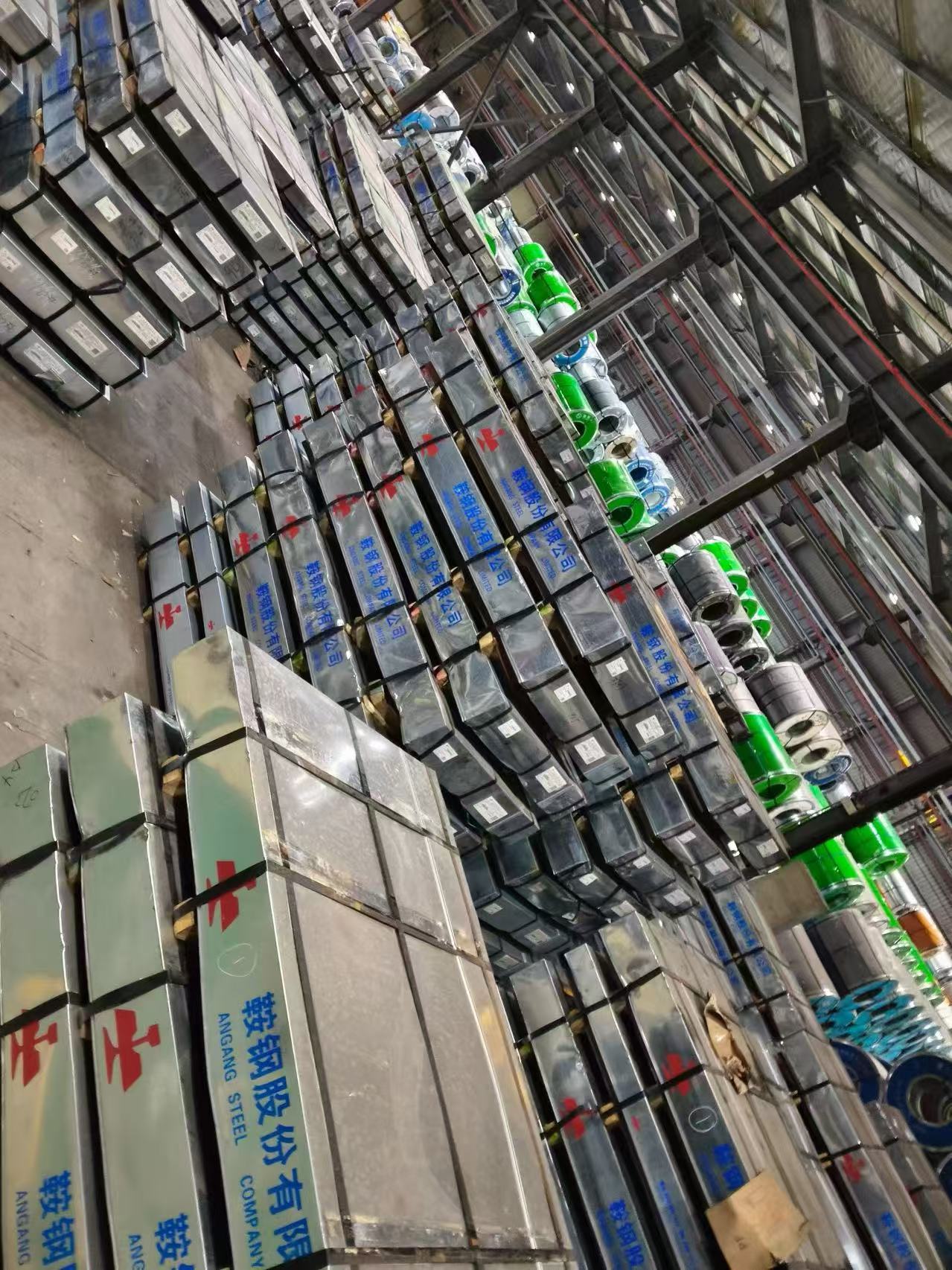
Featured Products
Our most popular steel products — direct from factory, competitive pricing
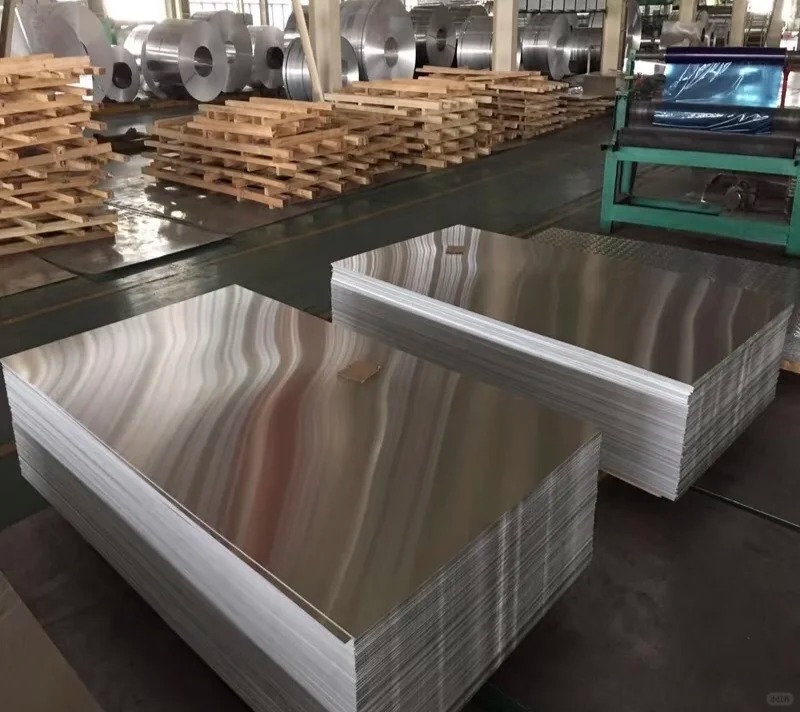
304 Stainless Steel Sheet
The most widely used stainless steel grade. Excellent corrosion resistance, formability, and weldability.
View Details →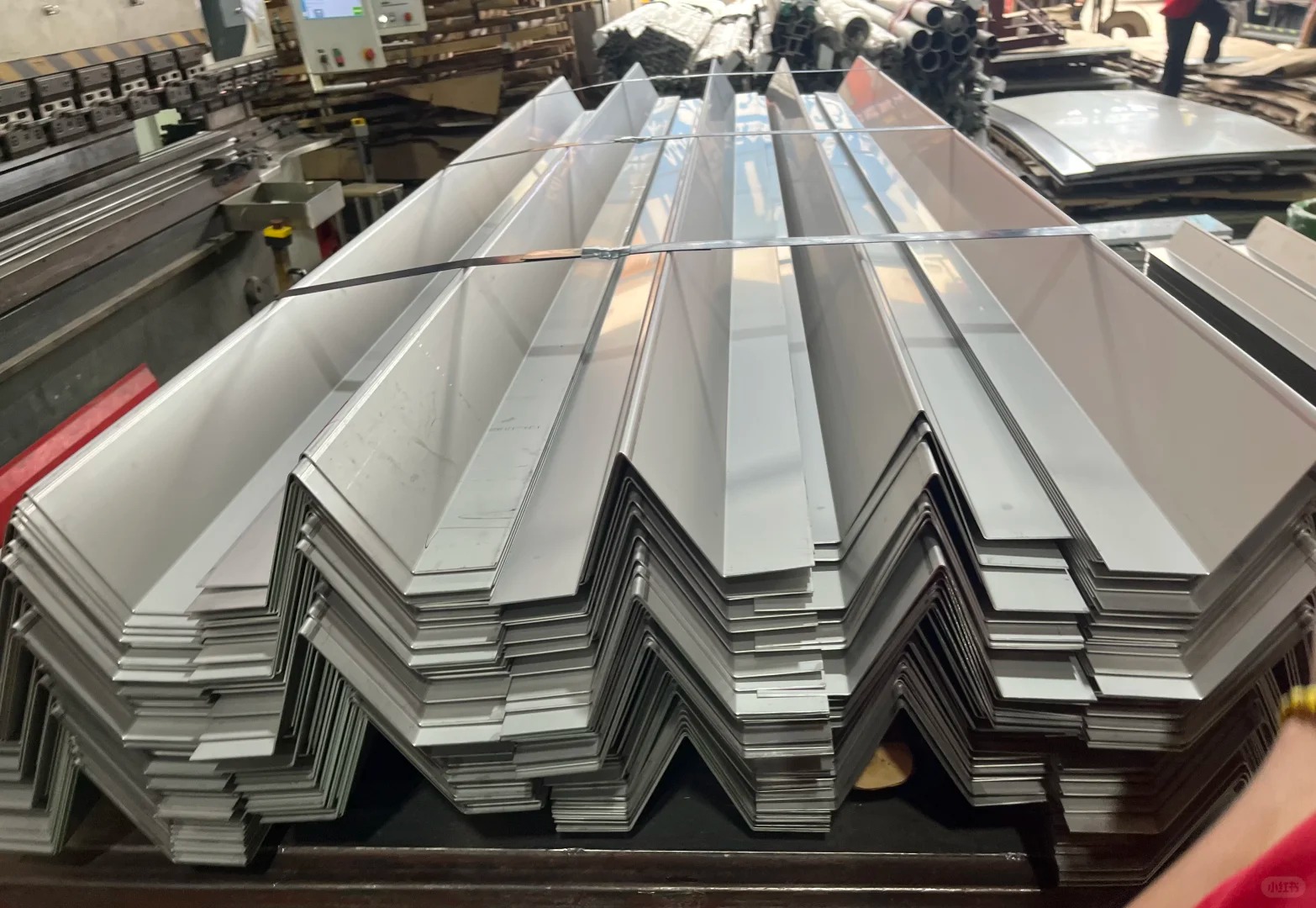
316L Stainless Steel Sheet
Molybdenum-alloyed austenitic stainless steel with superior corrosion resistance. Ideal for marine and chemical environments.
View Details →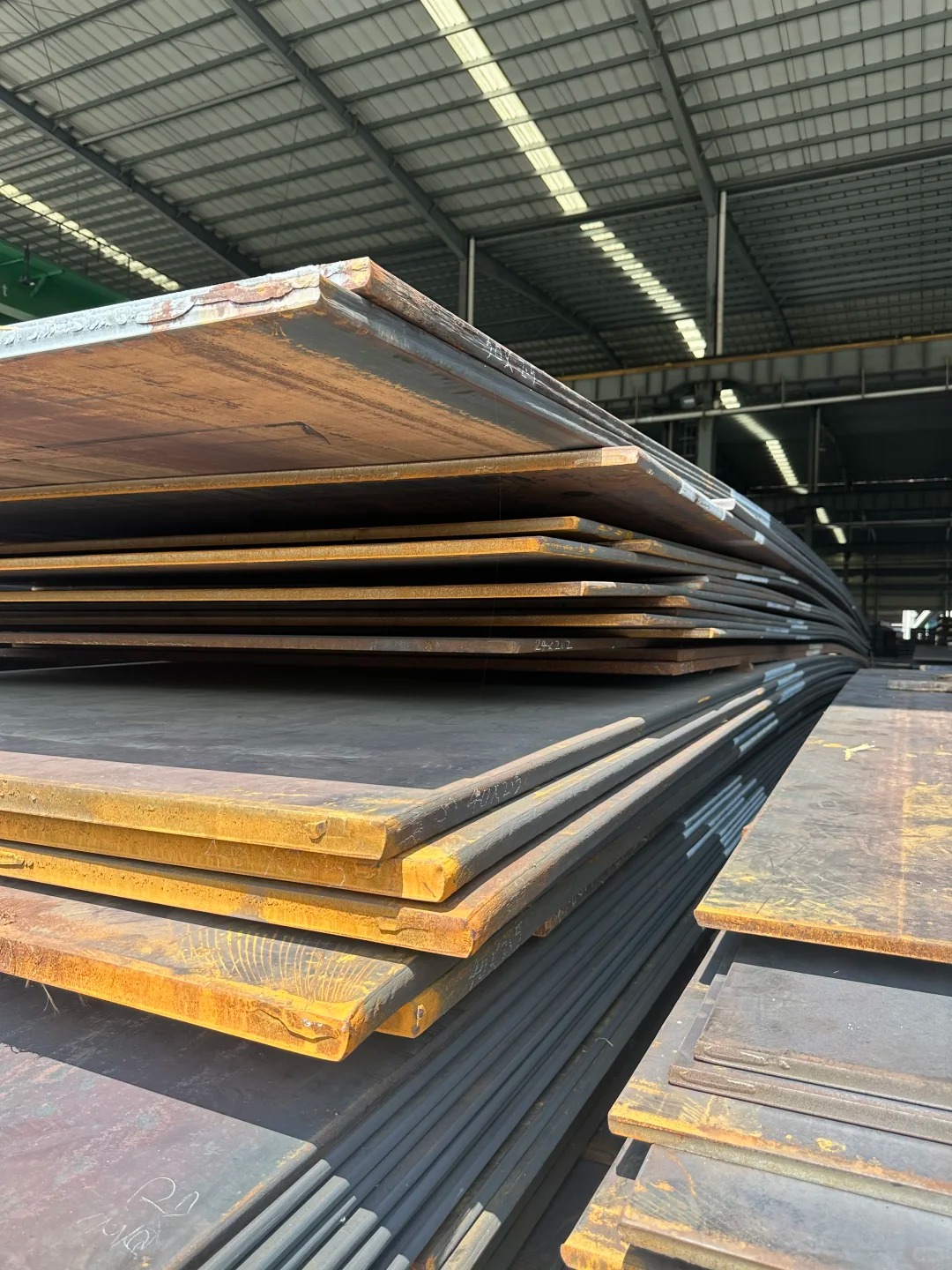
A36 Carbon Steel Plate
The most common structural steel grade. Excellent weldability, good machinability, and ductility for general construction.
View Details →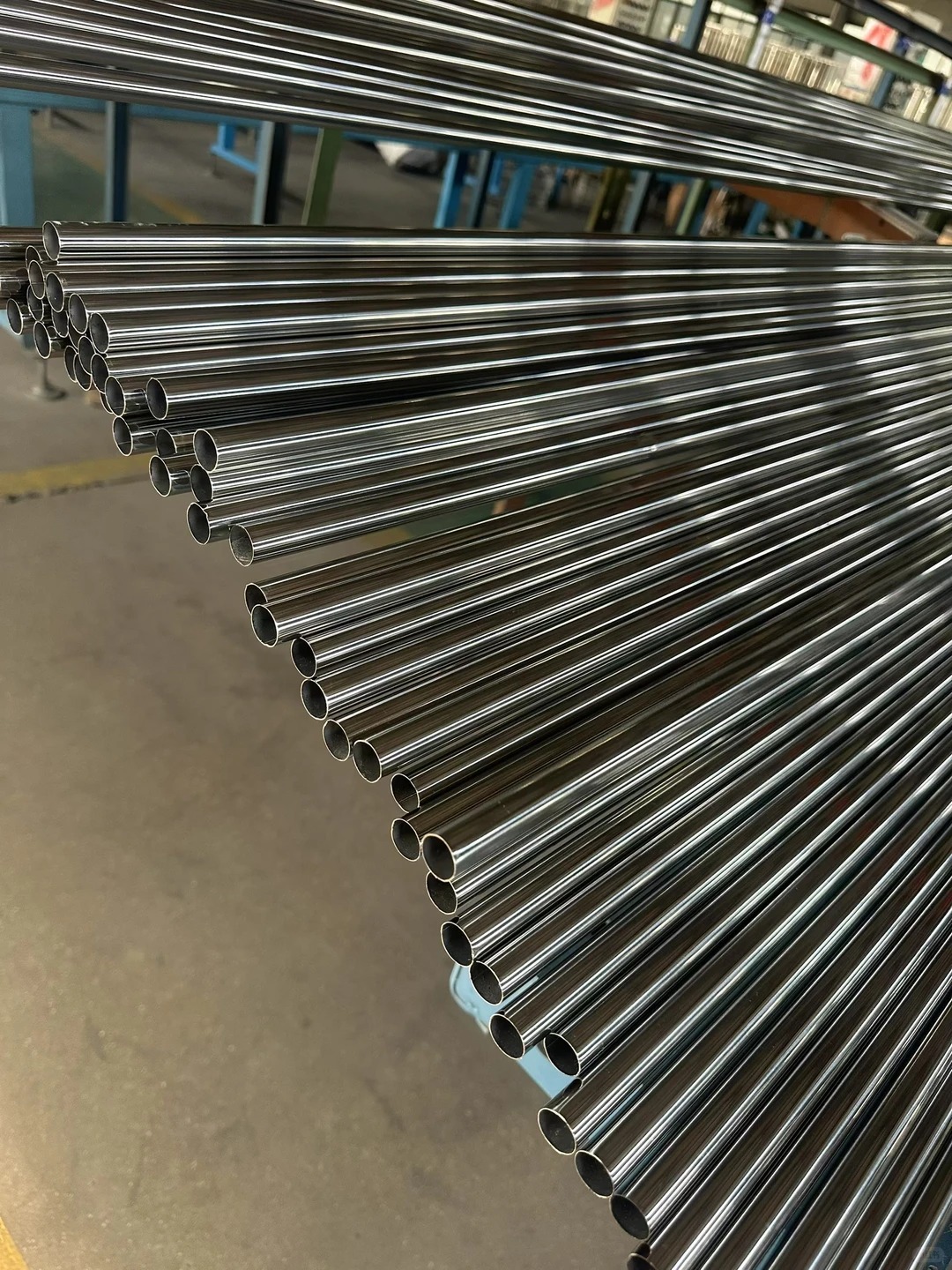
304 Stainless Steel Pipe
Seamless and welded stainless steel pipe for industrial piping, fluid transport, and food processing applications.
View Details →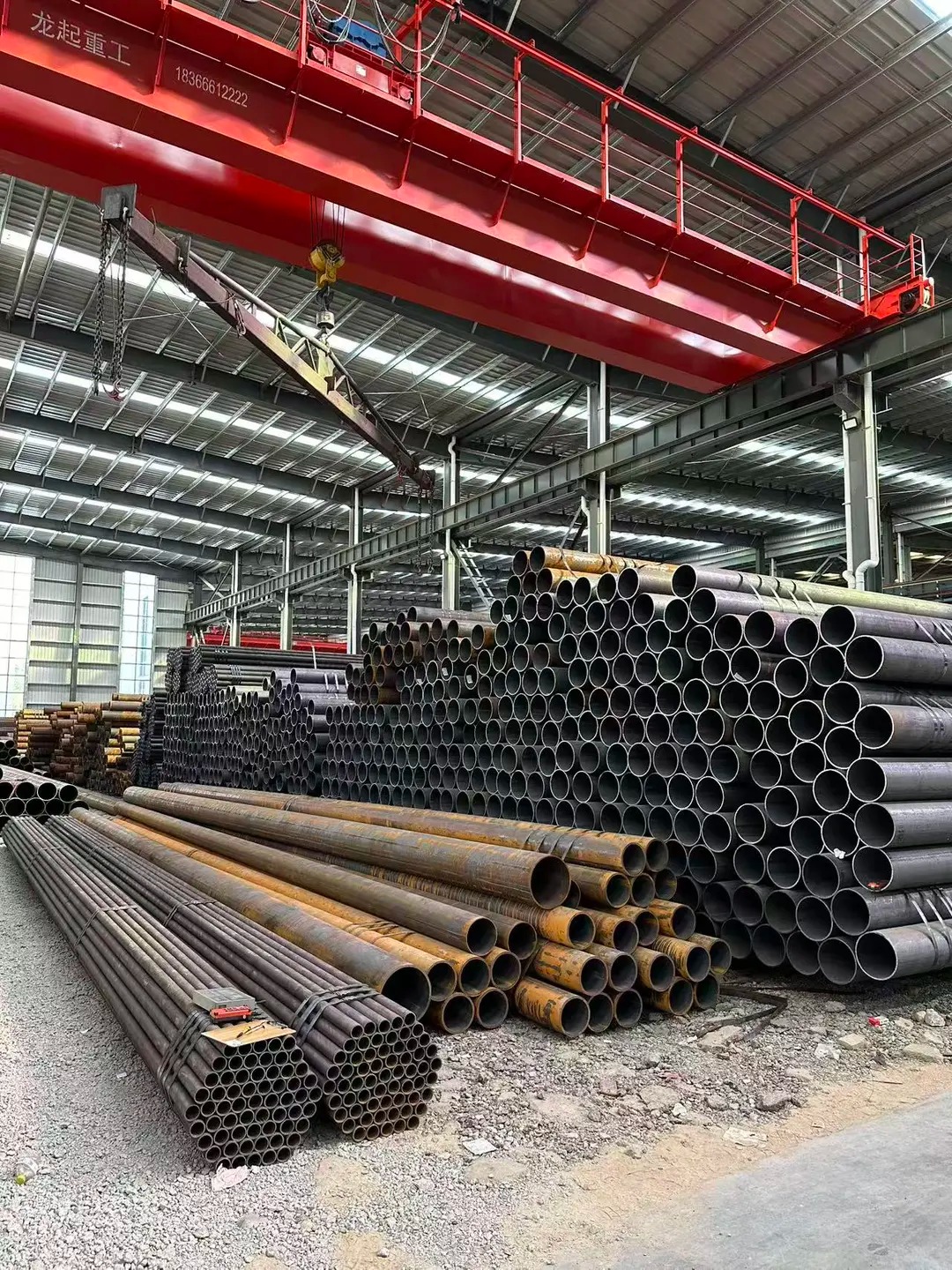
Seamless Steel Pipe
High-strength seamless carbon steel pipe for high-pressure applications, oil & gas, and structural use.
View Details →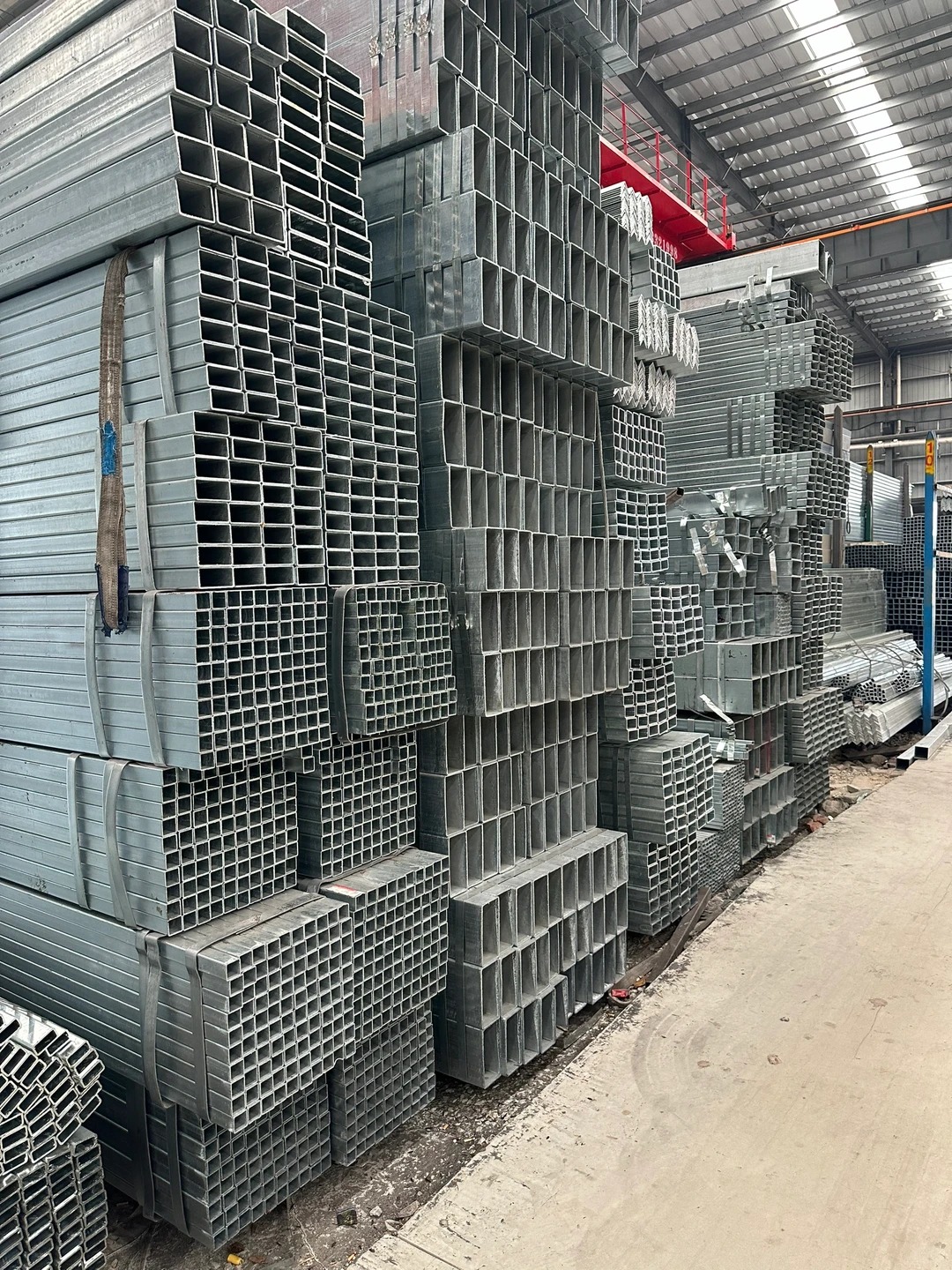
Galvanized Steel Sheet
Hot-dip galvanized steel sheet with excellent corrosion resistance. Perfect for roofing, construction, and appliances.
View Details →Why Choose Rubao-Chinasteel?
The advantages that make us your trusted steel partner

Direct Factory Price
We own production facilities, ensuring the most competitive prices with no middleman markup.

Strict Quality Control
3-stage inspection process with MTC (Mill Test Certificate) provided for every shipment.

Fast Global Delivery
7-15 days lead time for standard orders. Reliable shipping to major ports worldwide.

Custom Processing
Cutting, bending, welding, polishing and surface treatment as per your drawings and specs.

Low MOQ
Start from just 1 ton for standard products. Trial orders are always welcome.

24/7 Customer Service
Dedicated sales engineer for your order. Quick response on email, phone, and WhatsApp.
Product Categories
Explore our comprehensive range of steel products by category
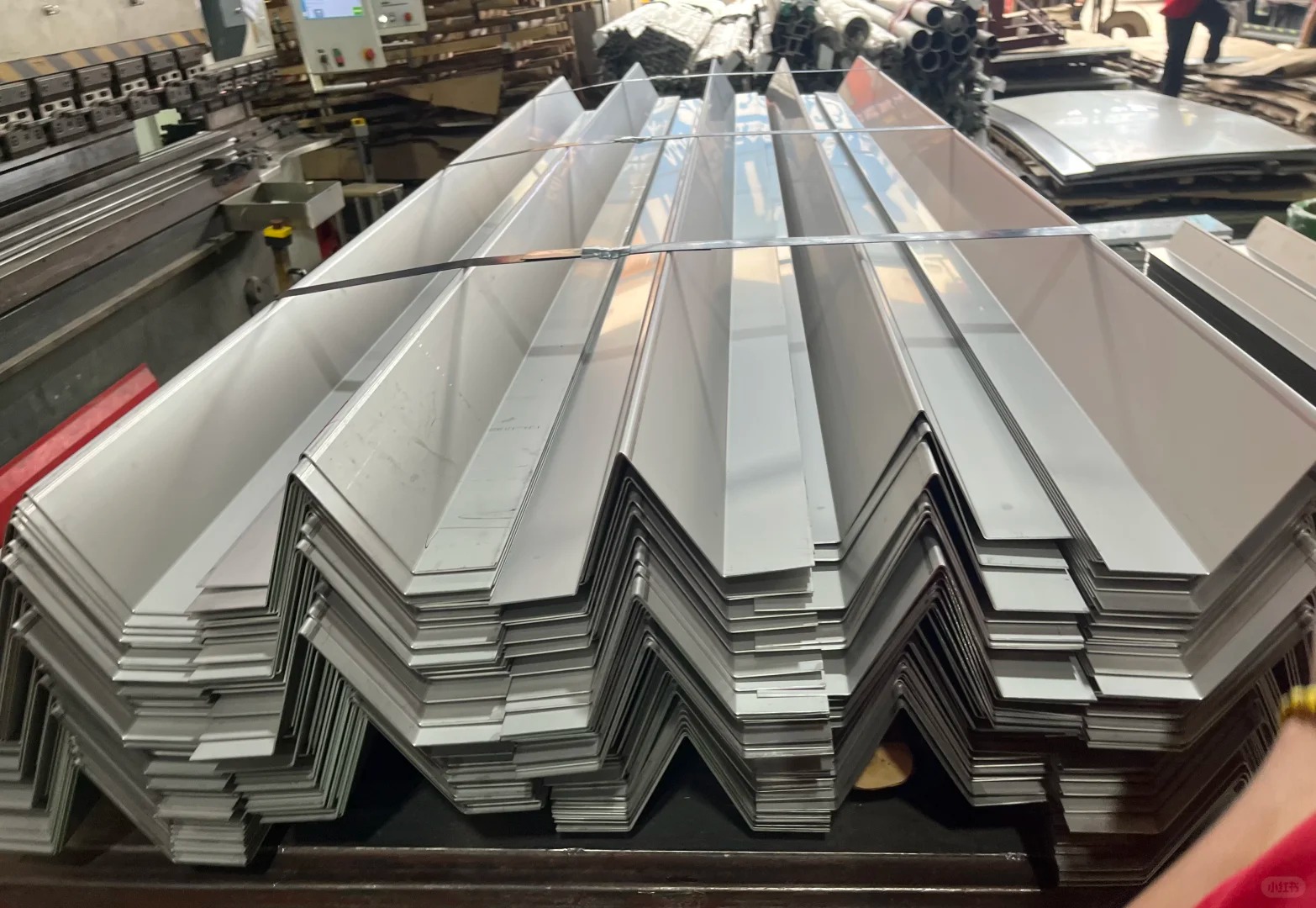
Stainless Steel
Sheet, Pipe, Tube, Bar, Strip, Fittings
- 304 / 304L
- 316 / 316L
- 321 / 310S / 201
- 430 / 2205 / 904L
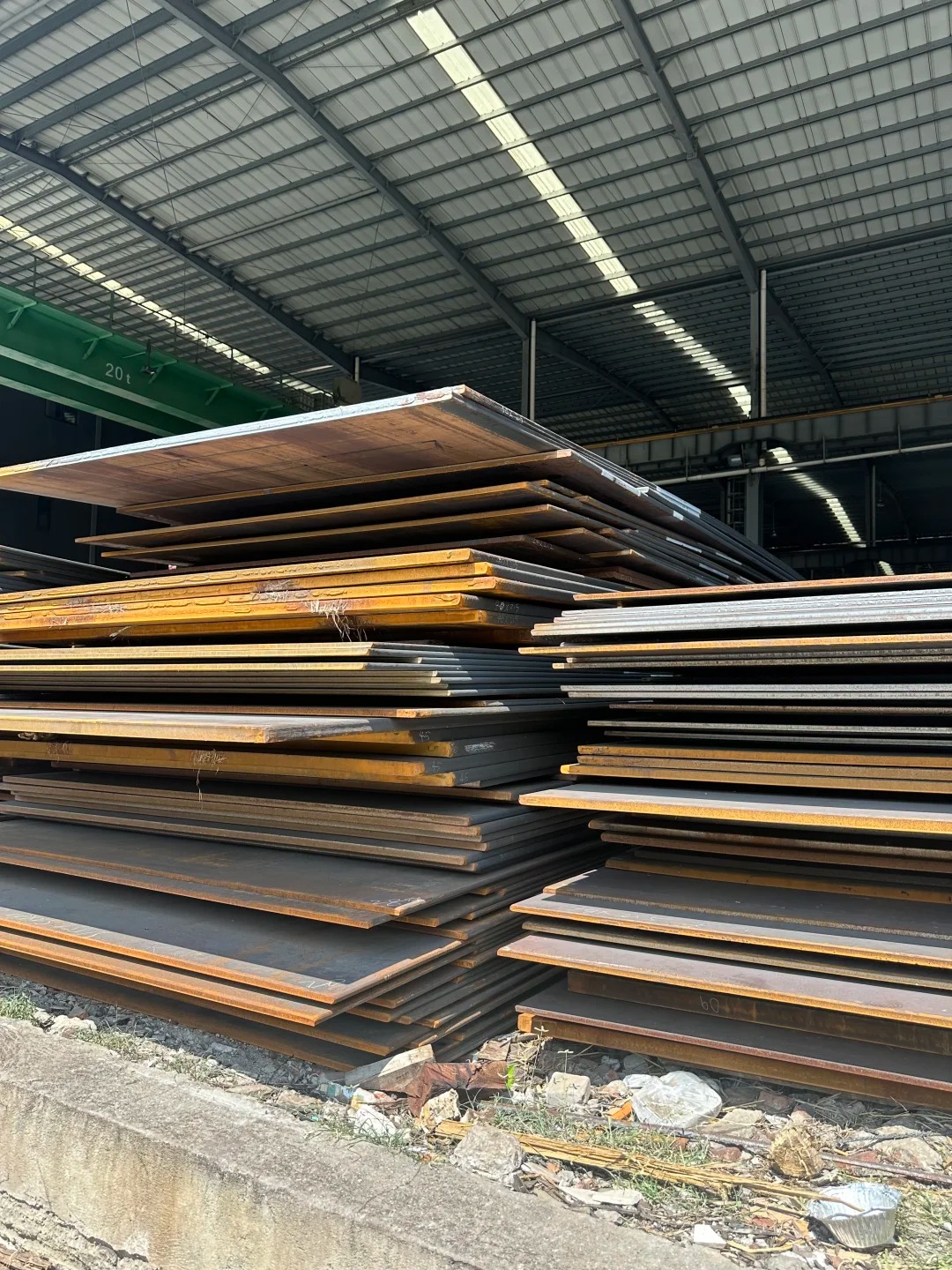
Carbon Steel
Plate, Sheet, Coil, Pipe
- A36 / SS400
- Q235B / Q355B
- S235JR / S355JR
- A572 Grade 50
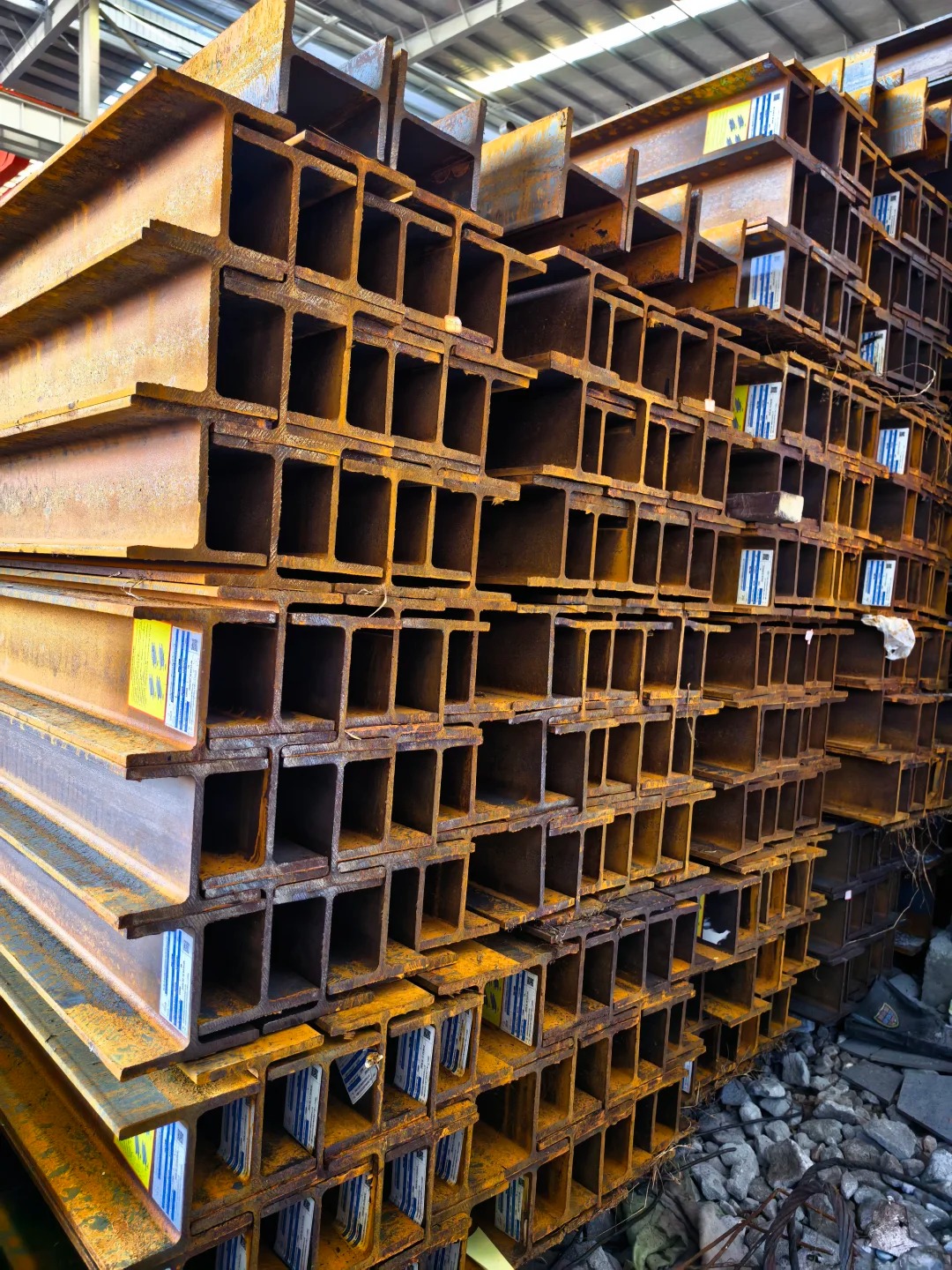
Steel Profiles
H-beam, I-beam, Angle, Channel
- H-beam / I-beam
- Angle Steel
- Channel Steel
- Rebar / Flat Bar
Galvanized & Coated
HDG, GI, GL, PPGI, Color Coated
- Galvanized Sheet / Coil
- Galvanized Pipe
- Color Coated (PPGI/PPGL)
- Aluzinc / Galvalume
Pipes & Tubes
Seamless, Welded, ERW, LSAW
- Seamless Steel Pipe
- Welded Steel Pipe
- Stainless Steel Pipe
- Galvanized Pipe
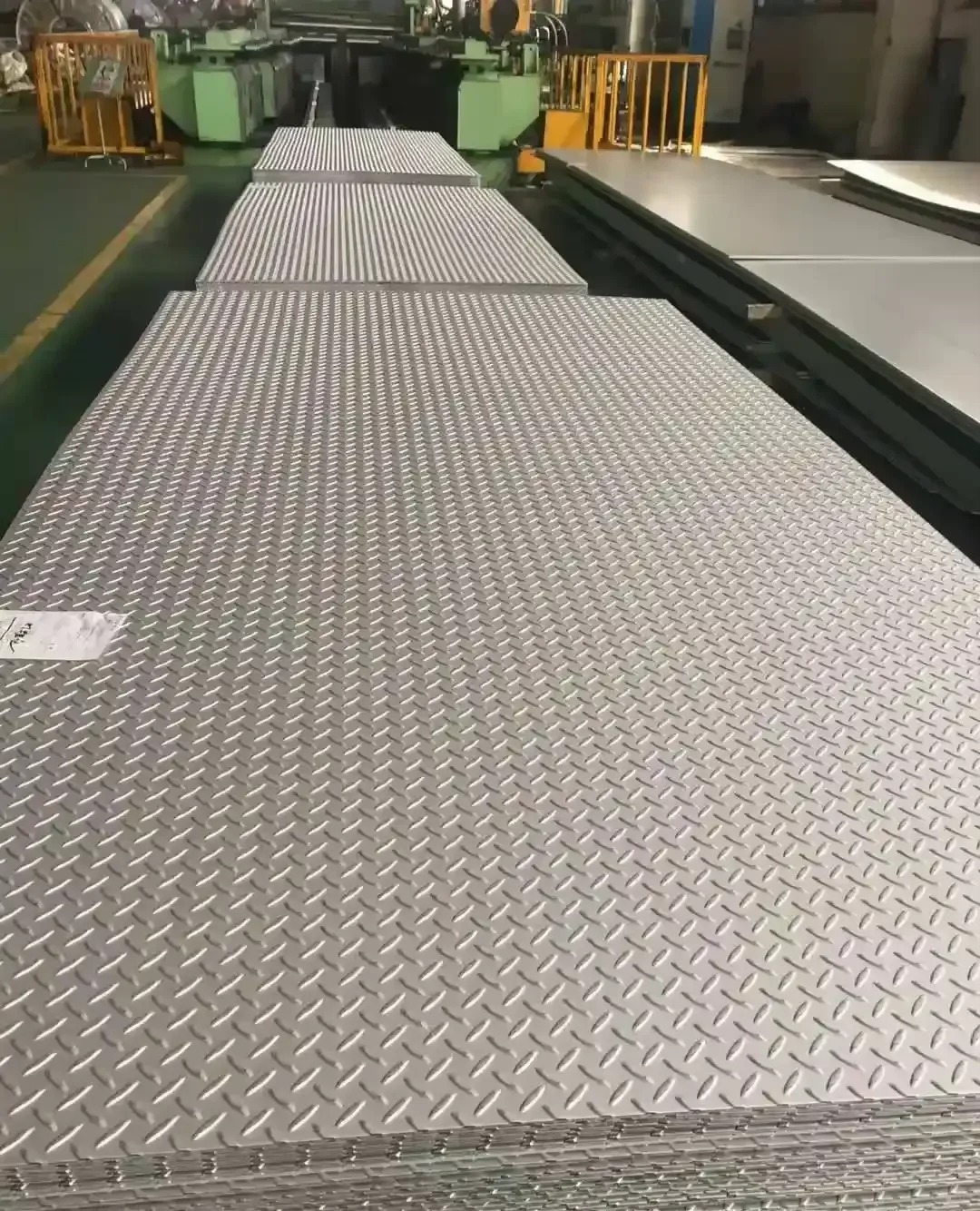
Checkered & Pattern
Anti-slip floor plates, diamond pattern
- Stainless Checkered Plate
- Carbon Checkered Plate
- Embossed Sheet
- Anti-slip Floor Plate
Industries We Serve
Our steel products are trusted across diverse industries worldwide
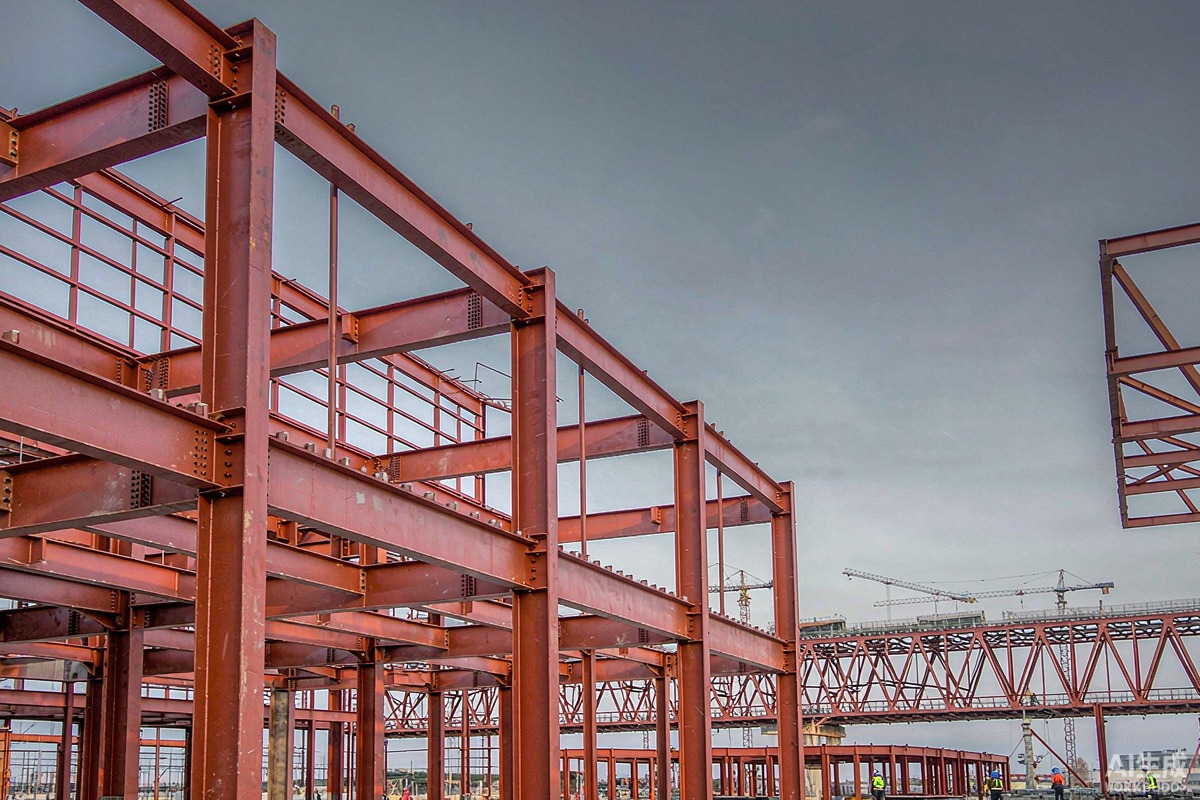 Construction
 Pharmaceutical
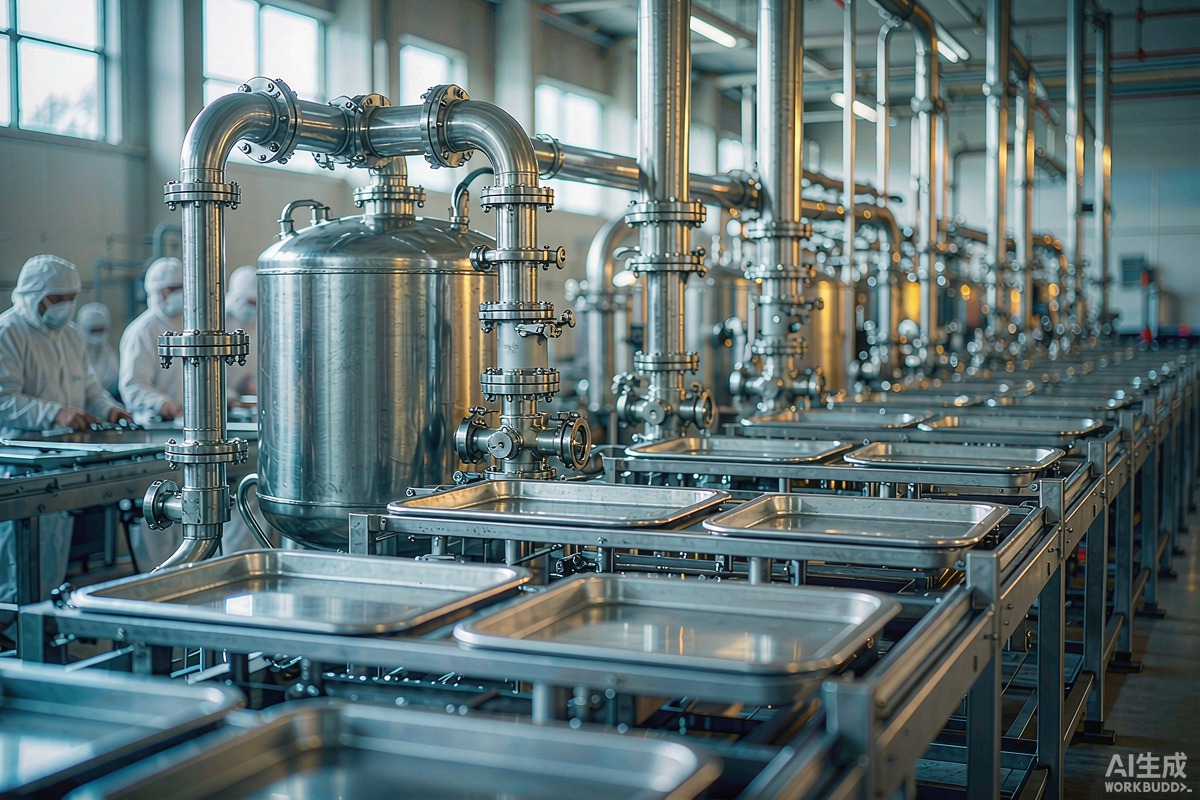 Food & Beverage
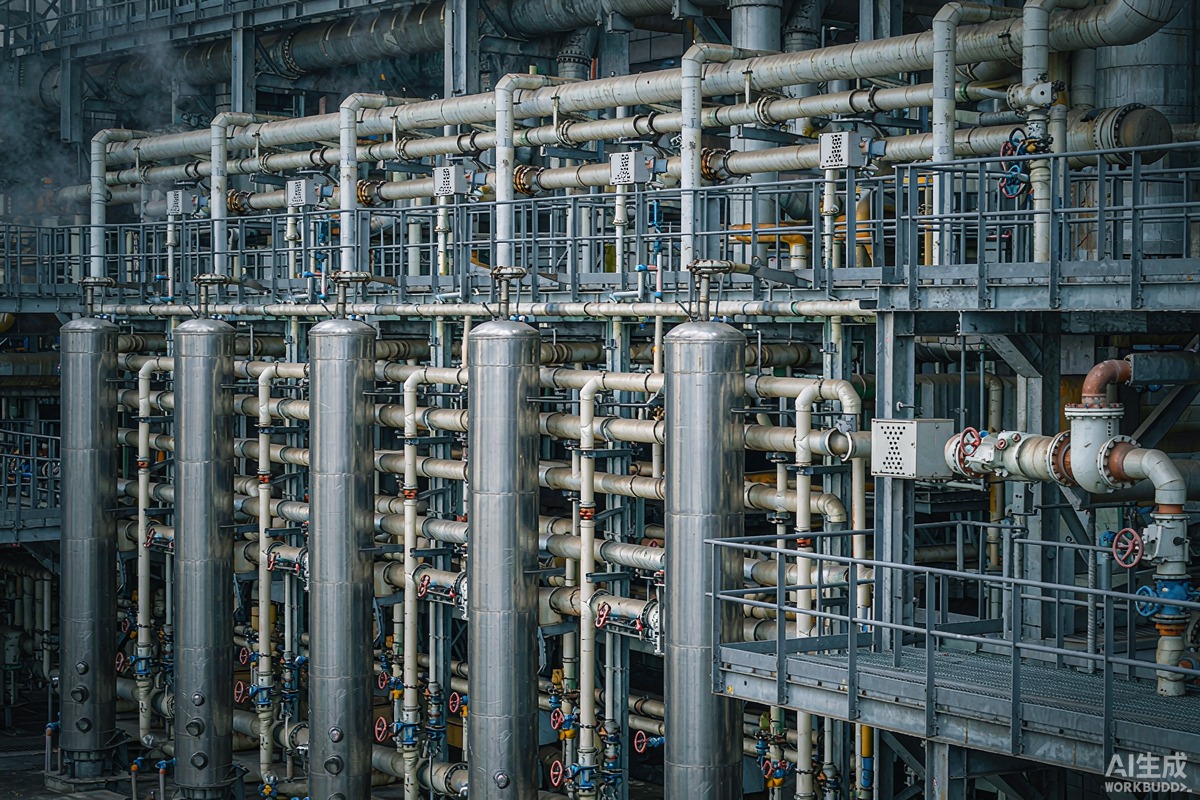 Chemical Industry
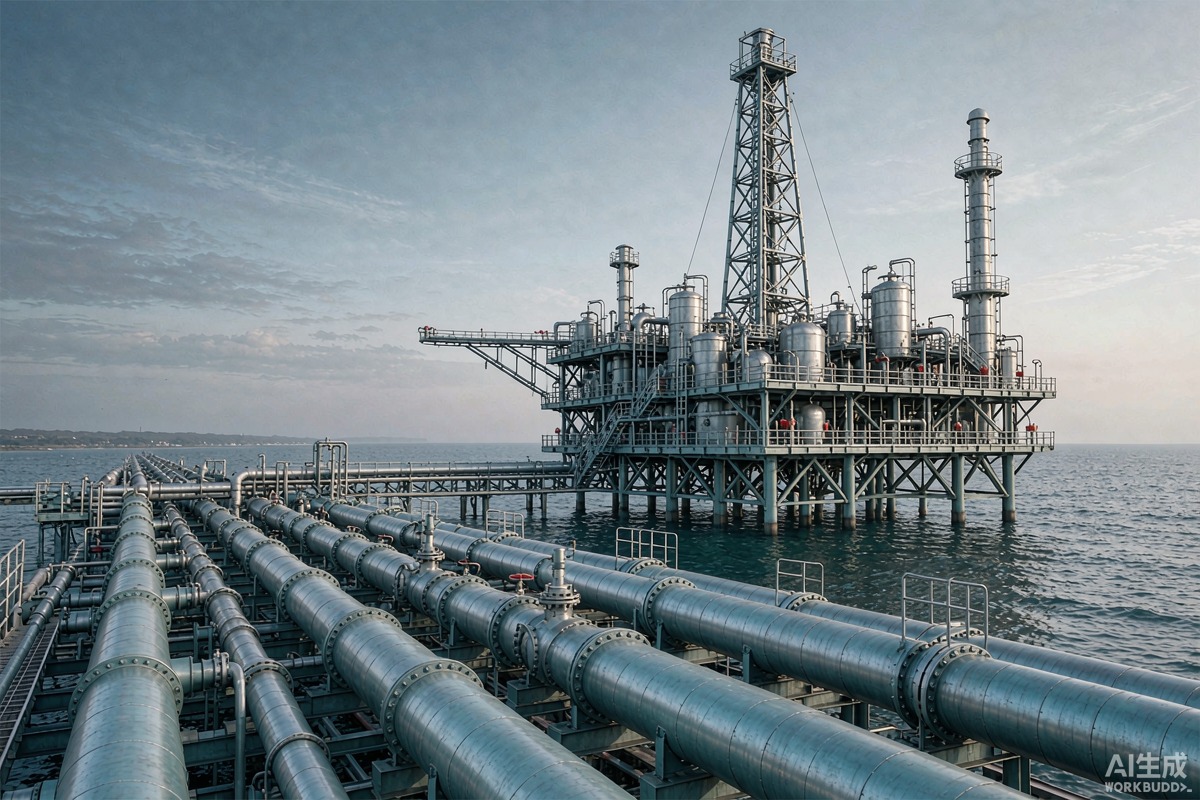 Oil & Gas
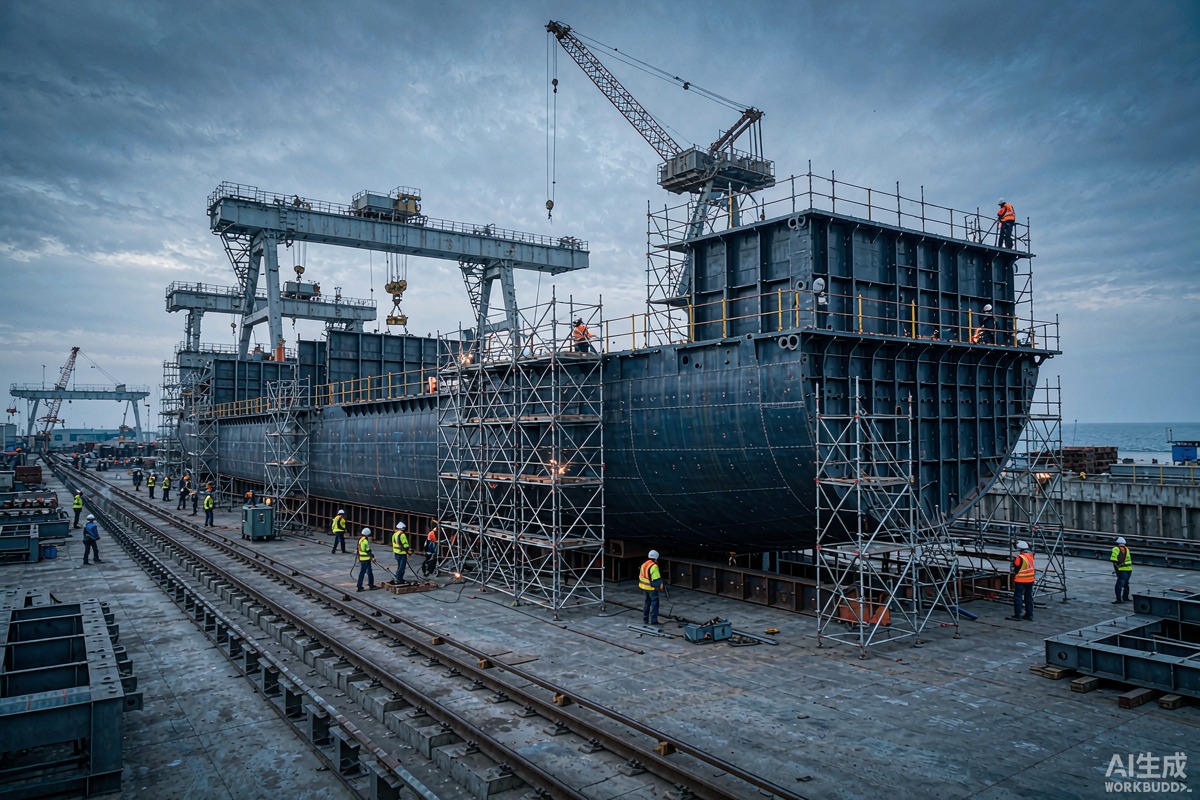 Shipbuilding
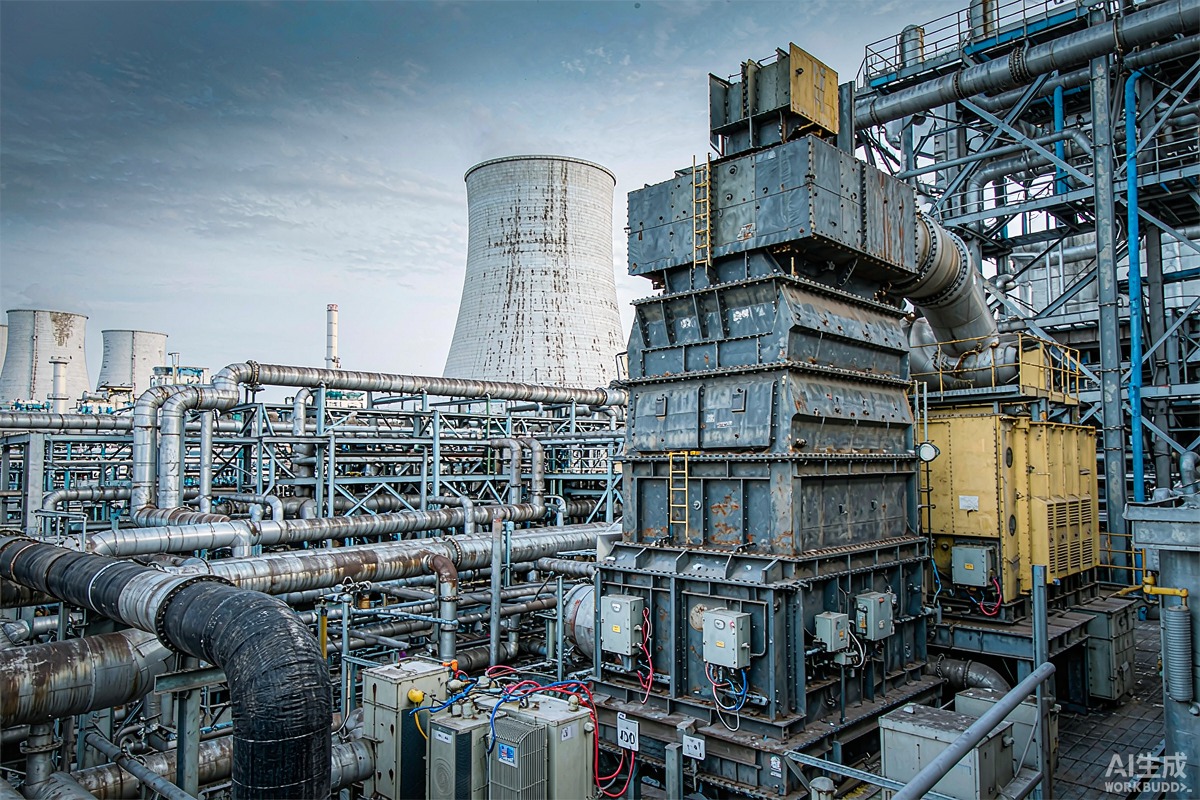 Power Generation
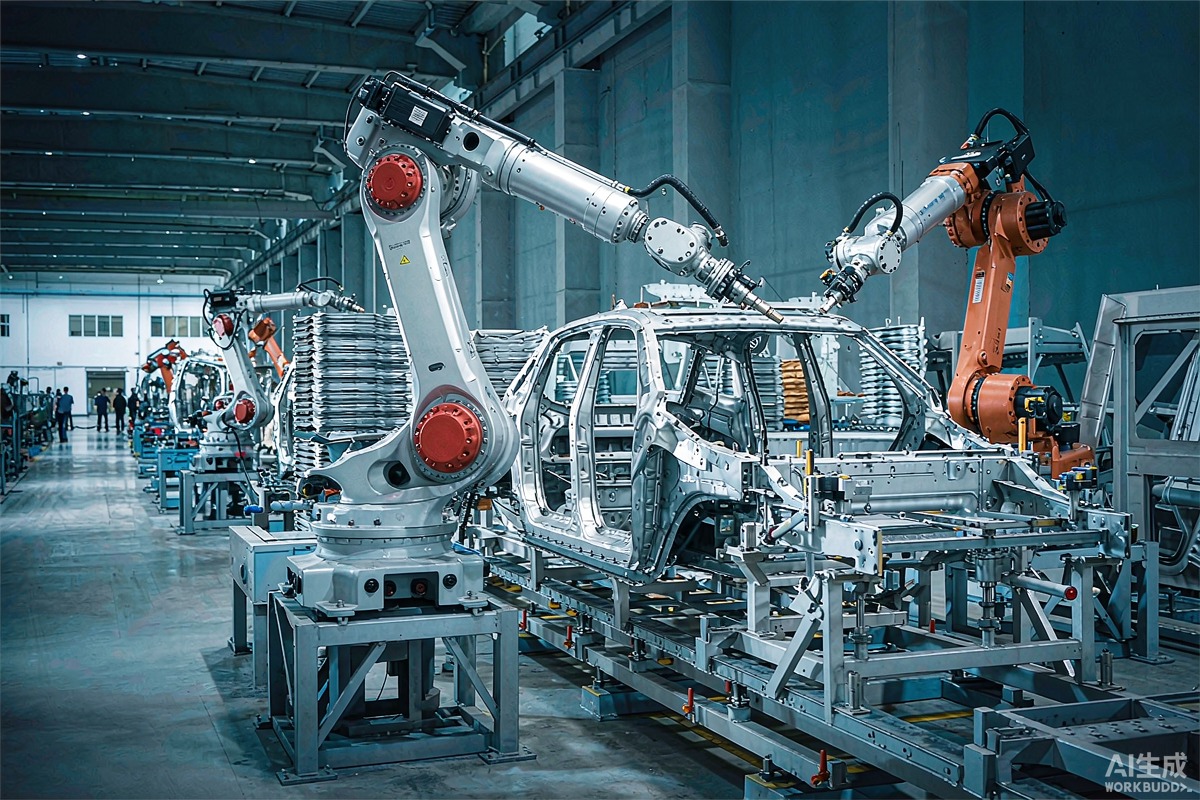 Automotive
 Architecture
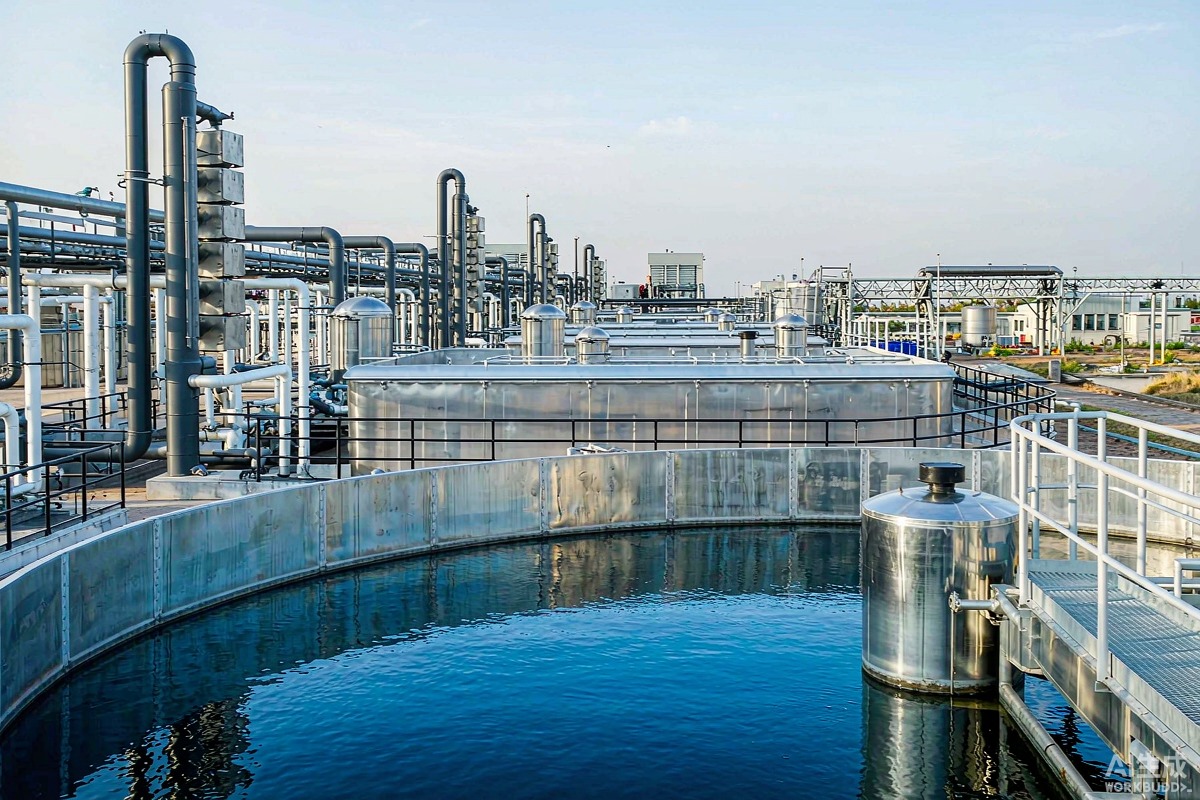 Water Treatment
Knowledge Hub & Resources
Expert guides on steel grades, material selection, and sourcing tips
Types of Steel Pipes: A Complete Classification Guide for Engineers & Buyers
Master steel pipe classification by process, surface, and shape—seamless vs welded, galvanized vs stainless, round vs square. Includes ASTM, EN standards and applications.
Read Article → Carbon Steel PipeASTM A53 Gr.B Seamless Steel Pipe: NPS, OD & Schedule Explained (Complete Guide)
Complete guide to ASTM A53 Gr.B seamless steel pipe: NPS-to-OD-to-Schedule dimensions, mechanical properties, tolerances, and procurement tips for engineers and buyers.
Read Article → Sourcing GuideHow to Choose Stainless Steel Grades: A Complete Sourcing Guide
How to choose stainless steel grades for your application. Compare 304, 316, 2205 duplex, 17-4PH and specialty grades by corrosion resistance and cost.
Read Article → Selection GuidePerforated Ceiling Price Guide: Per Sqm vs Per Ton Calculation
Understand how perforated metal ceilings are priced — by square meter, not by ton. Learn about material costs, processing fees, and how thickness, hole patterns, and surface finish affect the final price.
Read Article →Ready to Source Steel from China?
Get a competitive quote within 24 hours. Send us your specifications, quantity, and destination — we'll handle the rest.