
310S Stainless Steel: High-Temperature Properties & Applications
Complete guide to 310S stainless steel - the high-temperature austenitic stainless steel with excellent heat resistance, oxidation resistance, and creep strength. Learn when to choose 310S over 304 or 316.
What is 310S Stainless Steel?
310S stainless steel is a high-chromium, high-nickel austenitic stainless steel specifically designed for high-temperature applications. With 25% chromium and 20% nickel, it offers exceptional resistance to oxidation and carburization at elevated temperatures, along with good strength and creep resistance.
The “S” in 310S stands for “stabilized” (low carbon), meaning it has a maximum carbon content of 0.08% (compared to 0.25% for standard 310). This low carbon content provides better resistance to sensitization (grain boundary carbide precipitation) during welding and high-temperature service, improving corrosion resistance in the heat-affected zone.
Sometimes referred to as “25/20 stainless steel” (25% chromium, 20% nickel), 310S is the go-to choice for applications involving continuous temperatures up to 1100 deg C (2010 deg F). It’s widely used in furnaces, heat treatment equipment, power generation, and chemical processing.
Chemical Composition
The chemical composition of 310S stainless steel (UNS S31008 / EN 1.4845) is:
| Element | Composition (%) |
|---|---|
| Chromium (Cr) | 24.0 - 26.0 |
| Nickel (Ni) | 19.0 - 22.0 |
| Carbon (C) | <= 0.08 |
| Manganese (Mn) | <= 2.00 |
| Silicon (Si) | <= 1.50 |
| Phosphorus (P) | <= 0.045 |
| Sulfur (S) | <= 0.030 |
| Iron (Fe) | Balance |
Why the High Chromium + Nickel?
The high chromium and nickel content is what makes 310S so special:
- High Chromium (24-26%): Forms a dense, stable chromium oxide (Cr2O3) layer that provides exceptional oxidation resistance at very high temperatures. The higher the chromium, the more stable the oxide layer at elevated temperatures.
- High Nickel (19-22%): Stabilizes the austenitic structure, improves high-temperature ductility, enhances creep resistance, and contributes to overall corrosion resistance.
- Low Carbon (<=0.08%): Reduces sensitization during welding and high-temperature cycling, maintaining better corrosion resistance.
Mechanical Properties
| Property | Room Temperature (annealed) |
|---|---|
| Tensile Strength | >= 515 MPa (75,000 psi) |
| Yield Strength (0.2% offset) | >= 205 MPa (30,000 psi) |
| Elongation (in 2") | >= 40% |
| Hardness (Rockwell B) | <= 95 HRB |
| Elastic Modulus | 193 GPa (28 x 10^6 psi) |
| Density | 7.90 g/cm3 (0.285 lb/in3) |
| Melting Range | 1398 - 1453 deg C (2550 - 2647 deg F) |
High-Temperature Strength
What truly distinguishes 310S is its performance at high temperatures:
| Temperature (deg C) | Approx. Tensile Strength (MPa) | Approx. Yield Strength (MPa) |
|---|---|---|
| 20 | 515 | 205 |
| 200 | 460 | 150 |
| 400 | 410 | 130 |
| 600 | 360 | 120 |
| 800 | 200 | 80 |
| 1000 | 70 | 35 |
310S also exhibits good creep and stress rupture properties at temperatures up to about 1000 deg C (1830 deg F), making it suitable for load-bearing applications at high temperatures.
Key Features & Benefits
1. Exceptional High-Temperature Oxidation Resistance
This is 310S’s primary advantage. It resists oxidation (scaling) in continuous service up to:
- 1100 deg C (2010 deg F) in clean, dry air
- 1150 deg C (2100 deg F) for intermittent service (cycling)
- 1000 deg C (1830 deg F) in sulfur-containing atmospheres
The high chromium content forms an extremely stable Cr2O3 protective layer that remains adherent even at very high temperatures and thermal cycling.
2. Good Carburization Resistance
310S resists carburization (carbon diffusion that makes steel brittle) much better than 304 or 316, especially at high temperatures. This makes it valuable for heat treating furnaces, carburizing furnaces, and other high-temperature carbon-rich environments.
3. Excellent High-Temperature Strength and Creep Resistance
The high nickel content gives 310S good strength at elevated temperatures, including resistance to creep (slow deformation under load at high temperature). For structural components operating at high temperatures, 310S maintains its integrity where 304 or 316 would deform or fail.
4. Good General Corrosion Resistance
With 25% chromium and 20% nickel, 310S has excellent corrosion resistance at room temperature - better than 304 and comparable to 316 in many environments. It’s particularly resistant to:
- Atmospheric corrosion
- Mild acids and alkalis
- Oxidizing chemicals
- Aqueous corrosion in many environments
5. Excellent Ductility and Toughness
As an austenitic stainless steel, 310S is highly ductile and tough, even at low temperatures. It can be readily formed, drawn, and fabricated. Its toughness remains excellent even down to cryogenic temperatures.
6. Good Weldability
310S has good weldability thanks to its low carbon content. It can be welded by all standard methods (TIG, MIG, SMAW, etc.) without significant post-weld corrosion issues. Matching 310S filler metal is typically used.
Common Applications
310S stainless steel is the workhorse of high-temperature industries:
Heat Treatment & Furnaces:
- Furnace liners and muffles
- Heat treatment baskets and trays
- Fixtures and jigs for heat treating
- Annealing covers and retorts
- Radiant tubes
- Conveyor belts for furnaces
Power Generation:
- Boiler components
- Superheater tubes
- Steam generator parts
- Exhaust systems for power plants
- Flue gas desulfurization components
Chemical Processing:
- Reactors and pressure vessels
- Piping for high-temperature processes
- Catalyst support grids
- Evaporator and heat exchanger tubes
- Sulfuric acid processing equipment
Petrochemical & Refining:
- Refinery furnace tubes
- Catalytic crackers and reformers
- Hydrocracker components
- High-temperature piping and vessels
Metals Processing:
- Galvanizing and annealing equipment
- Molten metal handling (aluminum, zinc)
- Sintering and calcining equipment
- Die casting dies and components
Automotive & Aerospace:
- Exhaust manifolds and headers
- Catalytic converter housings
- High-temperature sensors
- Aircraft engine components
- Jet engine parts
Other Industries:
- Glass manufacturing equipment
- Cement and lime kiln components
- Incinerators and waste treatment
- Food processing (high-temperature applications)
- Thermal oxidizers
310S vs 304 vs 316 - High-Temperature Comparison
| Property | 310S | 316L | 304 |
|---|---|---|---|
| Chromium | 24-26% | 16-18.5% | 18-20% |
| Nickel | 19-22% | 10-14% | 8-10.5% |
| Molybdenum | 0% | 2-3% | 0% |
| Max Continuous Service Temp | 1100 deg C (2010 deg F) | 870 deg C (1600 deg F) | 870 deg C (1600 deg F) |
| Oxidation Resistance | Excellent | Good | Good |
| Carburization Resistance | Excellent | Fair | Fair |
| Creep Strength | Excellent | Good | Fair |
| Corrosion Resistance (aqueous) | Very Good | Excellent | Good |
| Cost | Highest | High | Moderate |
| UNS | S31008 | S31603 | S30400 |
When to Choose 310S
Choose 310S when:
- Operating temperatures exceed 850-900 deg C (1560-1650 deg F)
- You need maximum oxidation resistance at high temperatures
- Carburization is a concern
- The application involves repeated thermal cycling
- Creep resistance at high temperatures is required
- You need good corrosion resistance AND high-temperature performance
Choose 304 when:
- Temperatures are below 850 deg C (1560 deg F)
- General corrosion resistance is the primary need
- Cost is a major factor
- Formability is a priority
Choose 316/316L when:
- Aqueous corrosion (especially chloride pitting) is the main concern
- Temperatures are moderate
- You need high-temperature strength combined with aqueous corrosion resistance
Surface Finishes and Available Forms
310S is available in a wide range of product forms:
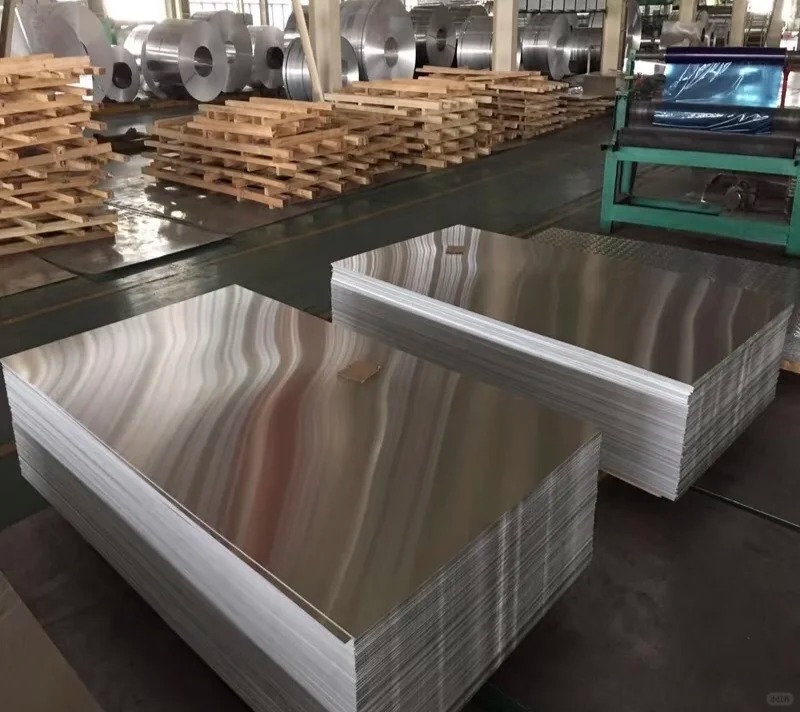
- Sheet & Plate - various thicknesses, 2B, No.1, and polished finishes
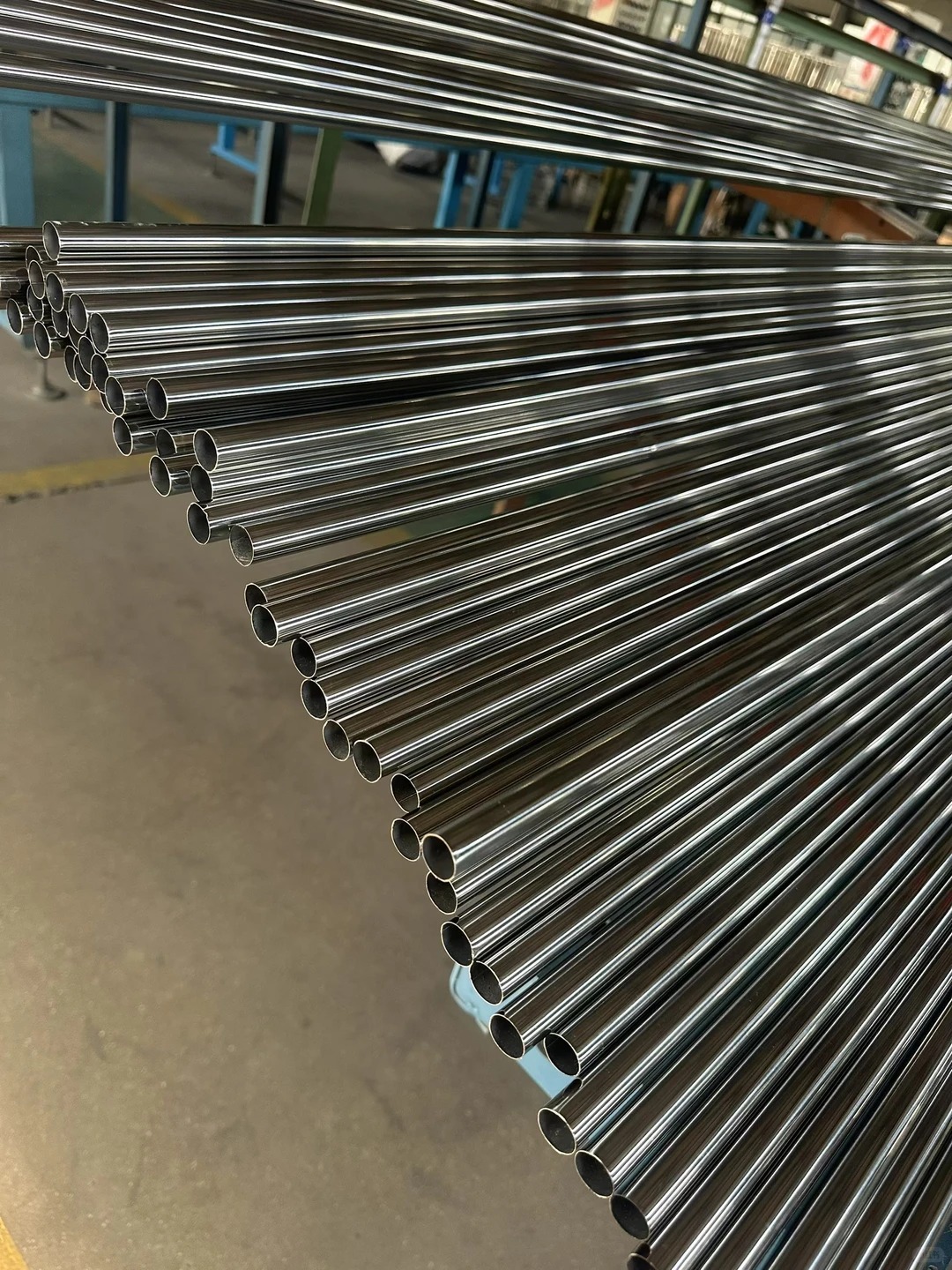
- Pipe & Tube - seamless and welded, in various sizes and schedules
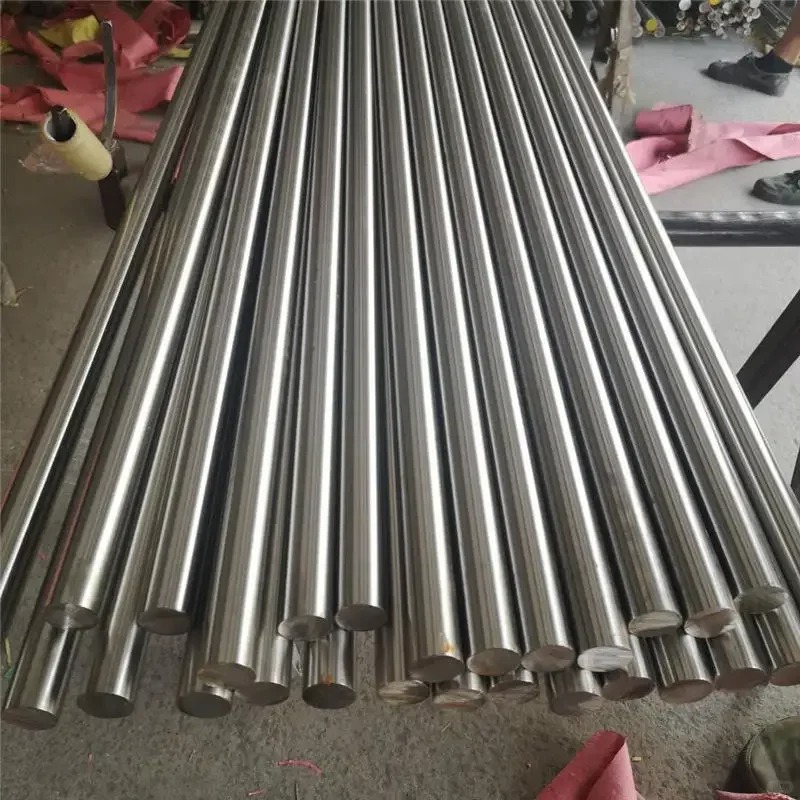
- Bar & Rod - round, flat, square, hexagonal
- Wire & Wire Mesh - for furnace baskets and screening
- Fittings - elbows, tees, flanges, reducers
- Custom Fabrications - per drawings and specifications
Common surface finishes include:
- No.1 (Hot Rolled) - For high-temperature structural use
- 2B (Cold Rolled) - Smooth, general purpose
- Pickled & Annealed - Standard for tubing and pipe
- Polished - For aesthetic or special applications
Fabrication Considerations
Welding
310S has good weldability. The low carbon content minimizes sensitization. Use 310S or matching filler metal. Preheating is generally not required for most thicknesses. Post-weld annealing (1040-1120 deg C) can be used to restore maximum corrosion resistance and ductility after welding.
Forming
310S can be formed using most conventional methods, including bending, drawing, rolling, and spinning. It work-hardens similarly to 304. For severe forming, intermediate annealing may be necessary. Forming forces are similar to or slightly higher than 304.
Machining
310S machines similar to 304 - it’s “gummy” and work-hardens quickly. Use rigid setups, sharp tools, slower speeds, and heavier feeds. Free-machining variants are not common for 310S.
Heat Treatment
310S cannot be hardened by heat treatment (only by cold working). Solution annealing is performed at 1040-1120 deg C (1900-2050 deg F), followed by rapid quenching or air cooling depending on section size. This treatment dissolves carbides and restores maximum corrosion resistance and ductility.
Explore Related Products
Frequently Asked Questions
What is 310S stainless steel used for?
310S stainless steel is primarily used for high-temperature applications where oxidation resistance and strength at elevated temperatures are critical. Common uses include: furnace liners, heat treatment baskets and fixtures, boiler and superheater tubes, chemical processing equipment, petrochemical refining components, exhaust manifolds, catalytic converters, radiant tubes, sintering equipment, glass manufacturing, cement kilns, incinerators, and power generation components. It's the go-to grade for continuous service up to 1100 deg C (2010 deg F).
How hot can 310S stainless steel get?
310S stainless steel can be used continuously at temperatures up to 1100 deg C (2010 deg F) in clean air, and intermittently up to about 1150 deg C (2100 deg F). It maintains good oxidation resistance and mechanical strength at these temperatures. In sulfur-containing atmospheres, the maximum service temperature is somewhat lower, around 1000 deg C (1830 deg F). For load-bearing applications at high temperatures, creep resistance should also be considered when selecting the appropriate material thickness and design.
Is 310S better than 316 stainless steel?
It depends on the application. 310S is superior for high-temperature service, offering significantly better oxidation resistance, carburization resistance, and creep strength at temperatures above 850 deg C. However, 316 (with molybdenum) has better aqueous corrosion resistance, especially against chloride pitting and crevice corrosion, which is why 316 is preferred for marine and chemical processing applications at lower temperatures. 310S is also more expensive than 316 due to its higher chromium and nickel content.
Can 310S stainless steel be welded?
Yes, 310S has good weldability. The 'S' (low carbon, <=0.08%) version is specifically designed to minimize sensitization during welding, so the heat-affected zone retains good corrosion resistance. All standard welding methods can be used - TIG, MIG, stick welding, etc. Matching 310S filler metal is recommended. Preheat is generally not needed for thin to moderate sections. Post-weld solution annealing at 1040-1120 deg C can maximize corrosion resistance and ductility, though it's not always required.
Does 310S stainless steel rust?
At room temperature, 310S stainless steel has excellent corrosion resistance - better than 304 and comparable to 316 in many environments. It's highly resistant to atmospheric corrosion and many chemicals. However, like all stainless steels, it can stain or corrode under extreme conditions such as prolonged exposure to strong chlorides, highly acidic or caustic solutions, or reducing acids. Its primary benefit is high-temperature oxidation resistance, not aqueous corrosion resistance - that's where 316L would be the better choice.
What is the difference between 310 and 310S?
The main difference is carbon content. Standard 310 stainless steel has up to 0.25% carbon, while 310S has a maximum of 0.08% carbon. The 'S' stands for stabilized or special low carbon. This lower carbon content makes 310S less susceptible to sensitization (grain boundary carbide precipitation) during welding and high-temperature service, giving it better intergranular corrosion resistance in the heat-affected zone. 310S is the most commonly used variant of the 310 grade family and is generally preferred for most applications.
Looking for a Reliable Steel Supplier?
Rubao-Chinasteel supplies high-quality steel products at factory-direct prices. MOQ from 1 ton · ISO certified · Fast global delivery.